
How to Start a Profitable 3D Printing Busness in 2026
The increasing usage of additive manufacturing in many sectors, including production, prototyping, healthcare, education, and manufacturing, is driving expansion in the worldwide 3D printing industry. Entrepreneurs eager to master the technology and provide high-quality products may find new opportunities as a result of this increasing demand. If you own a 3D printer and are considering making money out of it, this guide will teach you the ropes in 2026.
1. Choose a Profitable Niche
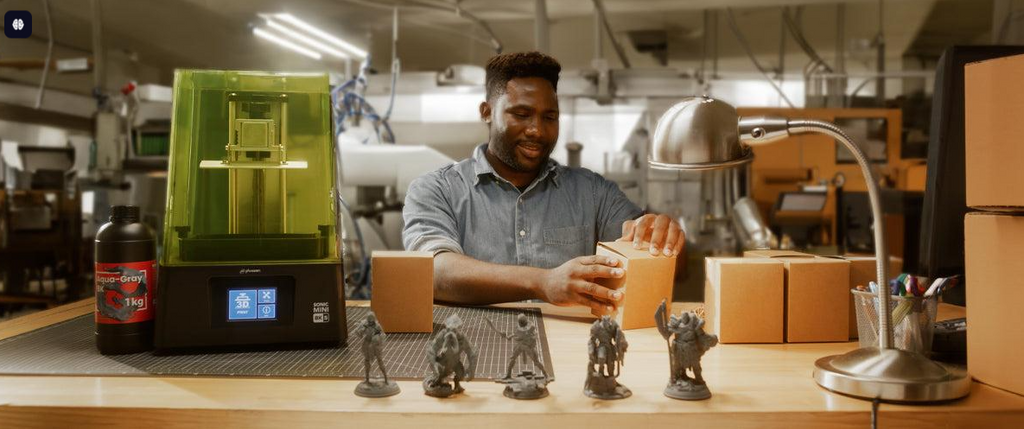
For newcomers, trying to sell everything is a common pitfall. Rather, zero in on a specific field where you may become an expert and win over dedicated followers.
Included here are a few lucrative niches:
- Home organization products
- Gaming accessories
- Cosplay props and helmets
- Personalized gifts
- Replacement parts
- Educational models
- Pet accessories
- Business prototypes
- Garden tools
- Automotive organizers
One way to better understand your clients is to choose a specialization. Because your products address particular issues rather than trying to please everyone, it simplifies your marketing efforts.
2. Invest in the Right Equipment
The backbone of your company is your printer. Consistent printing, fewer unsuccessful tasks, and more time saved are all benefits of a dependable machine.
Modern FDM printers provide a great compromise between price and performance, making them ideal for beginners. Automated bed leveling, enclosed chambers, rapid printing, and remote monitoring are already standard features on many.
The smoother surfaces and finer details produced by a resin printer make it an attractive option for businesses that specialize in miniatures, jewelry, or highly detailed models.
In addition to the printer, you will need high-quality filament or resin, replacement nozzles, repair equipment, measuring instruments, digital scales, packing materials, and a room with enough ventilation. Productivity and product quality are both enhanced by these goods.
3. Learn Design Skills
Although it is not necessary to build each model from the ground up, your firm will greatly benefit from knowing the fundamentals of computer-aided design (CAD).
A lot of people who are just starting with computer-aided design (CAD) software use browser-based applications until they get better. You may customize items, fix damaged models, and come up with innovative solutions for clients with just a basic understanding of design. You can also find thousands of free and paid tutorials on platforms like YouTube, Udemy, Coursera.
4. Understand Licensing and Copyright
You can't always make money off of every 3D model you see online. You can only use several of the free files for personal purposes.
Verify the model's license before selling any printed product. While some artists make it easy to use their work for profit, others demand that you pay for a special license or sign up for a premium subscription.
You run the risk of legal trouble or having your online listings removed if you sell copyrighted characters, logos, or trademarked products without permission. In the long run, coming up with unique ideas is usually the best and safest bet.
5. Price Your Products Correctly
The cost of filament is the only metric that many new company owners consider. As a result, earnings tend to be modest.
Think about everything from raw materials to electricity to printer repairs to labor to packaging to shipping supplies to marketplace fees to your target profit margin when developing your pricing strategy.
Because both material costs and market fees might fluctuate over time, it is important to review your rates on a frequent basis.
6. Sell on Multiple Platforms
By diversifying your sales channels, you can expand your consumer base and lessen your reliance on any one marketplace.
Marketplaces online, personal websites, social media stores, and brick-and-mortar establishments are all popular choices. Promptly manufactured replacement parts, prototypes, promotional items, instructional models, or individualized presents are frequently required by local clients.
Marketplaces to Sell 3D Printed Products
- Etsy
- eBay
- Amazon Handmade
- Shopify
- MakerWorld
- Printables
- Thangs
- Cults3D
- MyMiniFactory
- CGTrader
- Facebook Marketplace
7. Market Your Business
If no one is aware that you exist, then not even the greatest things will sell. Including marketing in your daily routine is a must.
Post media showcasing your printing procedure. The process of making a product layer by layer might be fascinating to watch in a time-lapse video. Providing educational information also helps establish trust by demonstrating your experience and understanding.
Helping clients solve problems should take precedence over only marketing things. Give an example of how your designs facilitate better organization, save time, or offer distinctive personalization choices.
New customers are more likely to purchase after seeing before-and-after images, reading reviews, and watching brief demonstration videos.
8. Deliver Excellent Customer Service
Recurring purchases are common among satisfied consumers. In addition, they will write good reviews and tell their friends about your company.
Get back to people fast with answers. Inform customers of the progress of their orders' manufacture and shipment. Ensuring the safety of each order during shipment requires meticulous packaging.
If a print is flawed, it is best to have an expert fix it. An excellent reputation for customer service can help a company succeed in the long run.
9. Scale Your Business
Instead of purchasing a large number of printers all at once, you can gradually expand your company after orders become consistent.
Starting with a single printer like Bambu Lab H2D and then investing in more machines is a common strategy for many prosperous business owners. This method increases manufacturing capacity over time while keeping financial risk to a minimum.
Customer desire, not the acquisition of new equipment, should dictate expansion.
3D Printing Businesses: Real World Examples
1. Shapeways
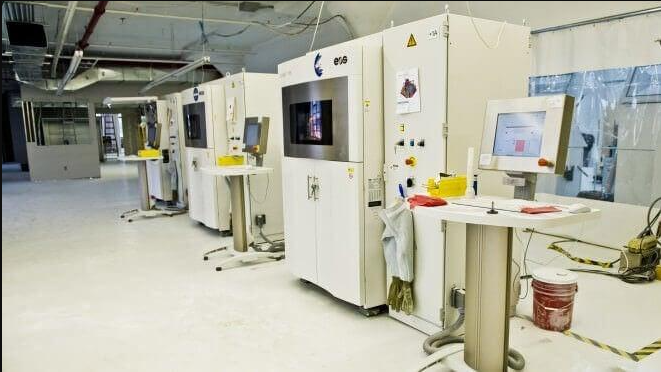
One of the most well-known online 3D printing services in the world is Shapeways. The firm doesn't limit itself to offering a small selection of things; rather, it lets designers, engineers, and companies submit their own 3D models for production. You can print anything from prototypes to final consumer goods using it because it supports a wide variety of materials, including plastics, metals, and resins. Shapeways has established a niche for itself in the market by catering to both individuals and corporations, with an emphasis on customisation and on-demand manufacturing as opposed to bulk production.
2. Prusa Research
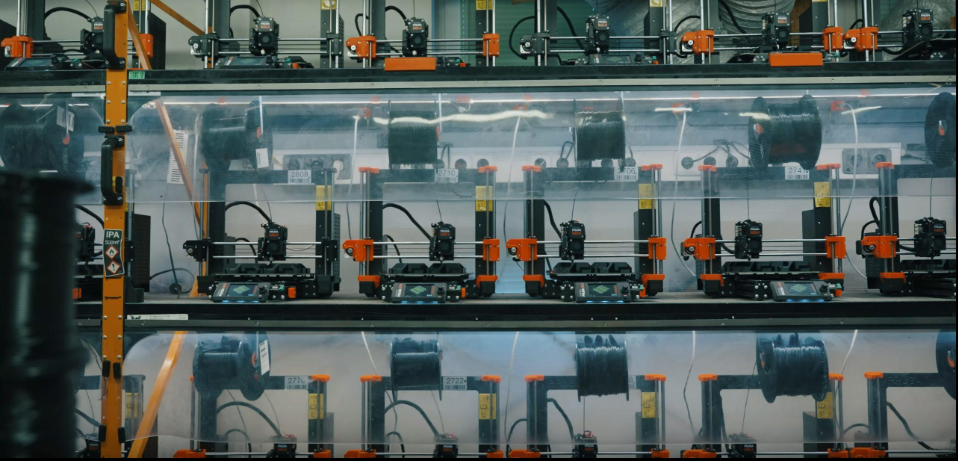
From humble beginnings as a side project by Josef Průōa, Prusa Research has grown into a highly esteemed player in the desktop 3D printing market. The business generates income through the sale of filament, accessories, software, and Printables, its enormous online model-sharing platform, in addition to producing 3D printers that have won awards. Reliability in product design, encouragement of open-source initiatives, innovation in technology, and outstanding customer service are the pillars upon which Prusa's success rests.
3. SmileDirectClub
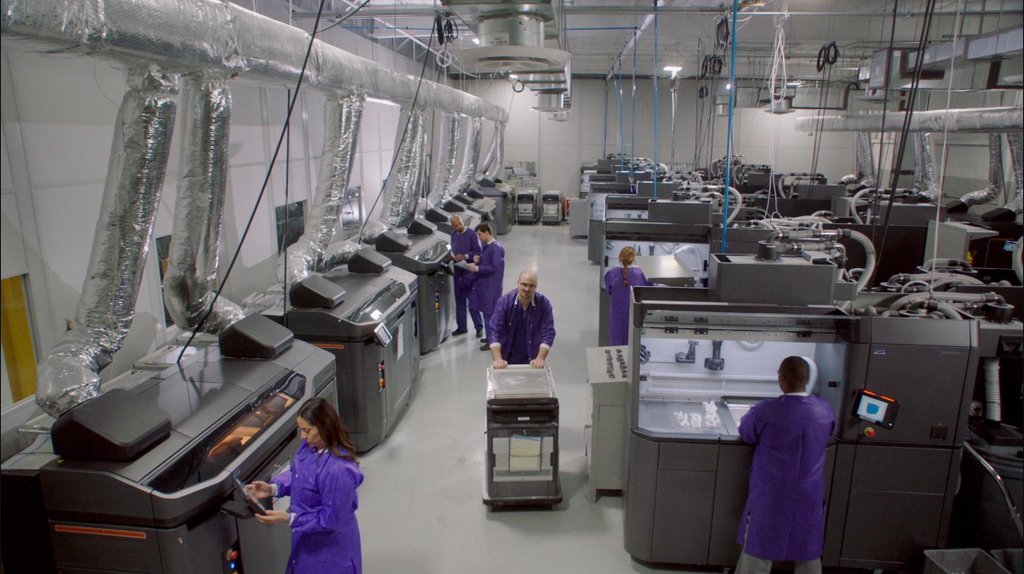
Before its 2023 shutdown, SmileDirectClub showed that 3D printing could be mass-produced. Based on digital scans of customers' teeth, the company manufactured millions of personalized dental aligners using vast fleets of industrial 3D printers. The fact that each aligner was one-of-a-kind demonstrates the potential of additive manufacturing to mass-produce customized medical devices. The business may have gone out of business later on because of money problems, but the model it used for mass customization in manufacturing is still widely used today.
4. Protolabs
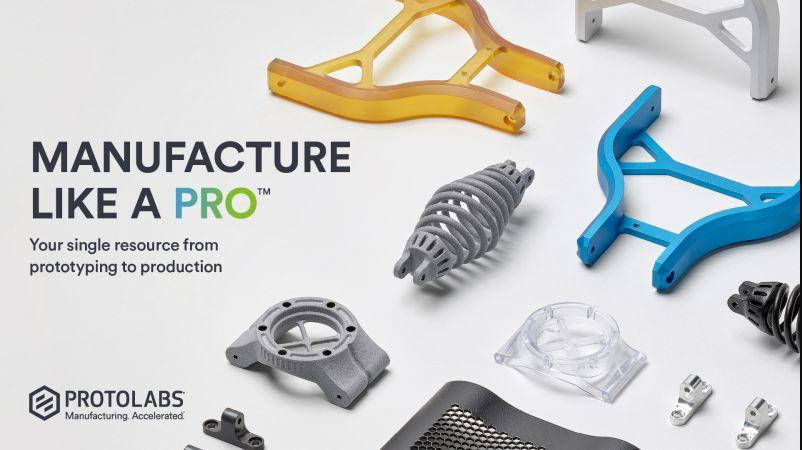
By streamlining the creation of prototypes and low-volume production components, Protolabs has become a prosperous company for engineers and manufacturers. After consumers submit their CAD files online, they get a price quote instantly and expertly made components in a matter of days. The company's 3D printing, CNC machining, and injection molding capabilities make it a reliable production partner for sectors including consumer electronics, aerospace, healthcare, and automotive.
5. Formlabs
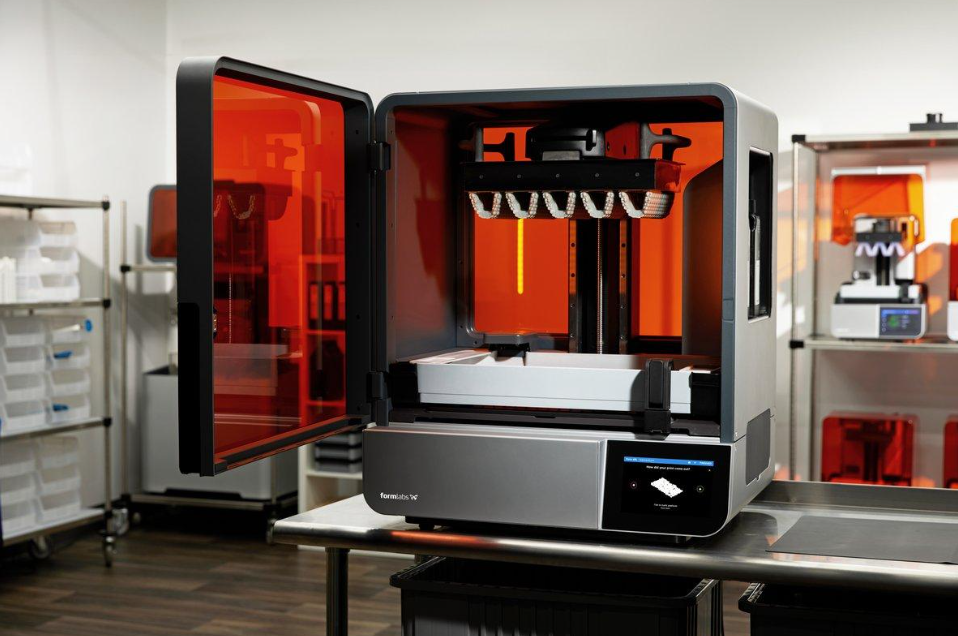
The healthcare, dental, engineering, and product development sectors are among Formlabs' primary areas of expertise when it comes to professional resin 3D printing. Selling desktop SLA printers, specialty resins, software, and post-processing equipment is how the company makes revenue. Formlabs is a frontrunner in the professional desktop 3D printing industry, and its printers are trusted by many dental clinics, hospitals, universities, and engineering organizations. These printers produce dental models, production parts, and surgical guides with remarkable accuracy.
Best 3D Modeling Software
If you want to create your own products instead of relying on downloadable models, SelfCAD is a great place to start. It is an easy to use 3D modeling software designed for beginners, hobbyists, and professionals. You can use it to design custom products, modify existing models, prepare files for 3D printing, and even slice models without switching to another application. Its easy-to-use interface and built-in learning resources make it a practical choice for entrepreneurs who want to create unique products, avoid copyright issues, and build a profitable 3D printing business with original designs.
Conclusion
In 2026, it is easier than ever to launch a 3D printing company. Customer desire for personalized and custom-made products is on the rise, and modern printers are making it easier than ever before. But having a printer is not enough to guarantee success. It results from zeroing in on the ideal market niche, making superior items, being familiar with licensing regulations, setting fair prices, and going above and beyond for customers.
Start with a limited range of products, hone your abilities, and concentrate on establishing a solid reputation. Extending your equipment, introducing new items, and reaching additional clients are all possible as your experience grows. Making wise business decisions, learning consistently, and being patient may turn a small home setup into a lucrative 3D printing business that pays off in the long run.