
Hydrogel-Based 3D-Printed Implants for Blood Pressure
3D printing is finding new applications in medical technology, including implants designed to interact directly with the body. One recent example is CaroFlex, a 3D-printed hydrogel bioelectronic implant developed by researchers at Penn State University.
The device is designed to help lower blood pressure by electrically stimulating the body's natural baroreflex system. Early tests in rats showed promising results, but CaroFlex is still an experimental technology and has not yet entered human clinical trials.
What Is the CaroFlex 3D-Printed Implant?
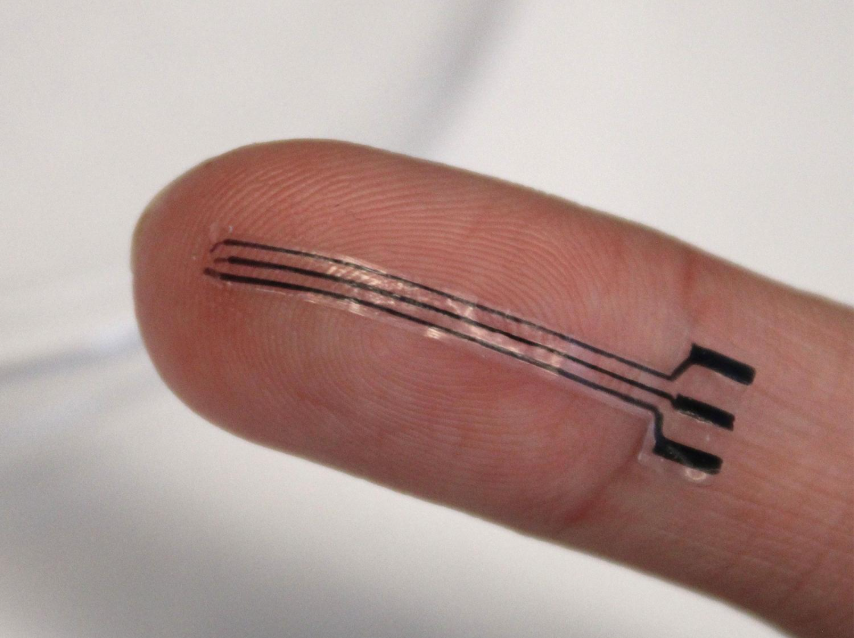
CaroFlex is a hydrogel-based bioelectronic implant that is soft, stretchy, and does not require sutures. The carotid sinus is a region of the artery that contains baroreceptors, which assist in controlling blood pressure. Researchers made sure it could link directly to this area.
Using conductive hydrogel electrodes and an adhesive hydrogel layer, CaroFlex eliminates the need for stiff materials and stitches to secure the electrode to the artery. The implant can then move more fluidly in response to the body's natural mechanics.
Researcher: Tao Zhou, Assistant Professor of Engineering Science and Mechanics at Penn State, led the research. His laboratory focuses on soft materials, hydrogels, bioelectronics, and related medical technologies.
How Does the Implant Lower Blood Pressure?
CaroFlex focuses on the baroreflex of the carotid sinus. The brain receives signals from baroreceptors in this area, which help regulate cardiovascular function in response to changes in blood pressure.
The implant stimulates these receptors with a regulated electrical current. Initiating the baroreflex and promoting the body's inherent mechanisms for lowering blood pressure is the objective.
The gadget aims to control blood pressure with electrical stimulation of the nervous system instead of medicine, which is distinct from the traditional method of blood-pressure medication.
Why Did Researchers Use Hydrogel?
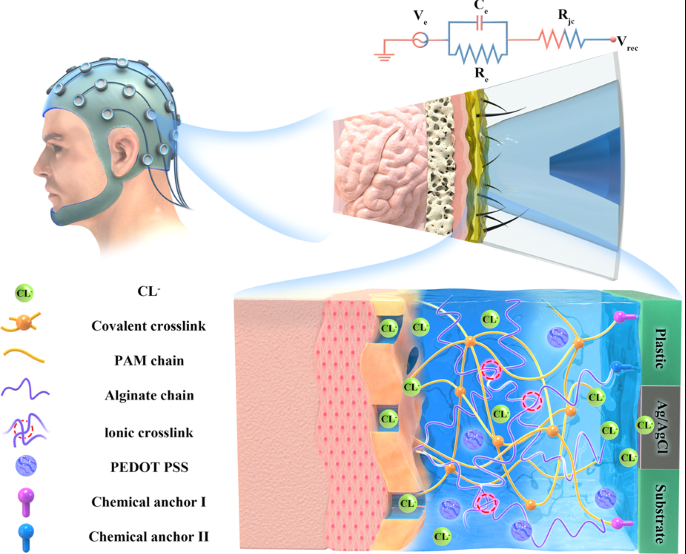
Hydrogel was selected because it is soft, flexible, and can better match the mechanical behavior of biological tissue than rigid materials. CaroFlex uses conductive hydrogels for its electrodes and an adhesive hydrogel to attach the device to the arterial wall. In laboratory testing, the device could stretch to more than twice its original size before breaking.
The adhesive layer also maintained strong adhesion in testing, including with adhesive mixtures that had been stored for six months.
This flexibility is important because arteries constantly expand and contract as blood moves through them. A rigid implant can experience mechanical stress when attached to this moving tissue.
How Does 3D Printing Help Make the Implant?
3D printing gives researchers greater control over the shape and arrangement of the soft materials used in CaroFlex.
The Penn State team used 3D printing to fabricate the hydrogel-based bioelectronic device. This approach allows the researchers to design and modify the device without relying entirely on conventional manufacturing processes.
According to Tao Zhou, the approach could make it easier to design, produce, and adapt bioelectronics for future clinical development.
Why Is a Suture-Free Implant Important?
Current carotid baroreflex stimulation systems have the option to attach electrodes to the artery wall via sutures. Due to the artery's constant movement, the Penn State researchers aimed to sidestep this fixation strategy.
Alternatively, CaroFlex employs a hydrogel surface that is bioadhesive. The glue firmly fastens the device to the tissue, enabling the flexible implant to glide along the artery.
Reducing tissue stress and improving the stability of the electrode-tissue connection are two goals of the researchers' suture-free technique.
What Did the Animal Study Show?
The researchers utilized sensors to track blood pressure while electrically stimulating rats that had CaroFlex implanted around their carotid sinus.
They experimented with five distinct electrical frequencies. During the reported testing, four of them resulted in an average drop of more than 15% in blood pressure. There was a 10-minute opportunity for testing.
Researchers looked at the implant's surrounding tissue two weeks later. According to Penn State, there was no indication of harm or immunological reaction in the tissue around the implant.
Since these findings are based on studies conducted on animals, they do not provide any indication of how the device will function or act in a human setting.
What Makes CaroFlex Different From Traditional Electrodes?
The research team compared CaroFlex with conventional platinum electrodes. The hydrogel-based device showed closer tissue adhesion and a more reliable electrical connection in the reported testing.
Its other major differences are its soft structure, stretchability, bioadhesive interface, and suture-free attachment. These features are intended to make the electrode more compatible with moving vascular tissue.
|
|
|
|
|
|
|
|
|
|
|
|
|
|
|
|
|
|
|
|
|
|
|
|
|
|
|
|
|
|
|
|
|
Real-World Research Case: Penn State's Tao Zhou Lab
The CaroFlex project comes from Tao Zhou's research group at Penn State University. Zhou's research focuses on soft materials, hydrogels, bioelectronics, and interfaces between electronic devices and biological tissue.
The project also involved researchers from Penn State's engineering and medical departments, along with collaborators from the University of Michigan. The peer-reviewed study was published in Device on July 17, 2026, under the title “3D printable suture-free bioadhesive electronic interface for hypertension therapy.”
Research source: Penn State — CaroFlex research announcement
Research paper: 3D printable suture-free bioadhesive electronic interface for hypertension therapy
What Are the Next Steps for CaroFlex?
At this time, CaroFlex is only a research project. The Penn State group intends to conduct human clinical trials after further device refinement and a scaling up of the manufacturing process.
The feasibility of replicating the blood-pressure effects shown in rats in humans, as well as other critical concerns, such as long-term safety, durability, efficacy, and surgical implantation, remain unanswered.
Instead of saying CaroFlex is a currently accessible hypertension treatment, it is more appropriate to say it could be available in the future.
How SelfCAD Can Help Design 3D-Printed Medical Models
SelfCAD can be useful for designing and preparing 3D models used in medical and biomedical applications. Its Boolean tool can combine shapes or subtract one shape from another, while Fillet and Chamfer can refine edges and surfaces. For imported or complex models, Magic Fix can repair common mesh problems such as holes, non-manifold edges, and overlapping geometry before 3D printing. The Simplify Object tool can also reduce unnecessary mesh complexity while keeping the model usable.
Final Verdict
The CaroFlex project exemplifies the use of hydrogels, conductive materials, and bioadhesives in conjunction with 3D printing to produce tissue-interacting soft electronics.
Researchers can utilize additive manufacturing to build structures that mimic the mechanical characteristics and motion of living tissues, rather than making a stiff implant. This may pave the way for future implantable bioelectronic device possibilities.
Frequently Asked Questions
Is There a Way to Permanently Fix High Blood Pressure?
There is currently no universal permanent cure for high blood pressure. However, some people can significantly lower or control it through healthy weight management, regular exercise, a balanced diet, reduced sodium intake, and appropriate medical treatment. The cause of hypertension also matters, as treating an underlying condition may improve blood pressure.
How Much Do 3D-Printed Teeth Implants Cost?
3D-printed teeth implants average about $5,536 per tooth for the implant itself. The total cost depends on the implant system, crown, imaging, surgery, location, dentist, and whether additional procedures such as bone grafting are needed.
How Does CaroFlex Lower Blood Pressure?
CaroFlex uses electrical stimulation to activate baroreceptors around the carotid sinus. These receptors are part of the body's natural blood-pressure control system. In rat studies, four of five tested stimulation frequencies produced average blood-pressure reductions of more than 15%.
Is CaroFlex Available for Patients?
No. CaroFlex is still an experimental implant and has only been tested in laboratory and animal studies. Human clinical trials will be needed to determine whether it is safe and effective for treating hypertension in people.
Why Is Hydrogel Used in the CaroFlex Implant?
Hydrogel is soft, flexible, and can better conform to moving biological tissue than rigid materials. CaroFlex uses conductive hydrogel electrodes and an adhesive hydrogel layer so the implant can attach to the artery without traditional sutures.
Who Developed the CaroFlex Implant?
The research was led by Tao Zhou and his team at Penn State University, with researchers from Penn State and the University of Michigan contributing to the project. The study was published in Device in 2026.