
How Does 3D Printing Inspire STEM Exploration?
3D printing gives students a practical way to learn science, technology, engineering, and mathematics (STEM). Instead of only reading about shapes, machines, or scientific tools, they can design objects, print physical models, test their ideas, and improve their work.
Schools can use 3D printing to teach everything from geometry and engineering to coding and scientific measurement. The following examples are based on documented projects from NASA and Penn State, with links to the sources.
1. Turn Science Lessons Into Physical Models
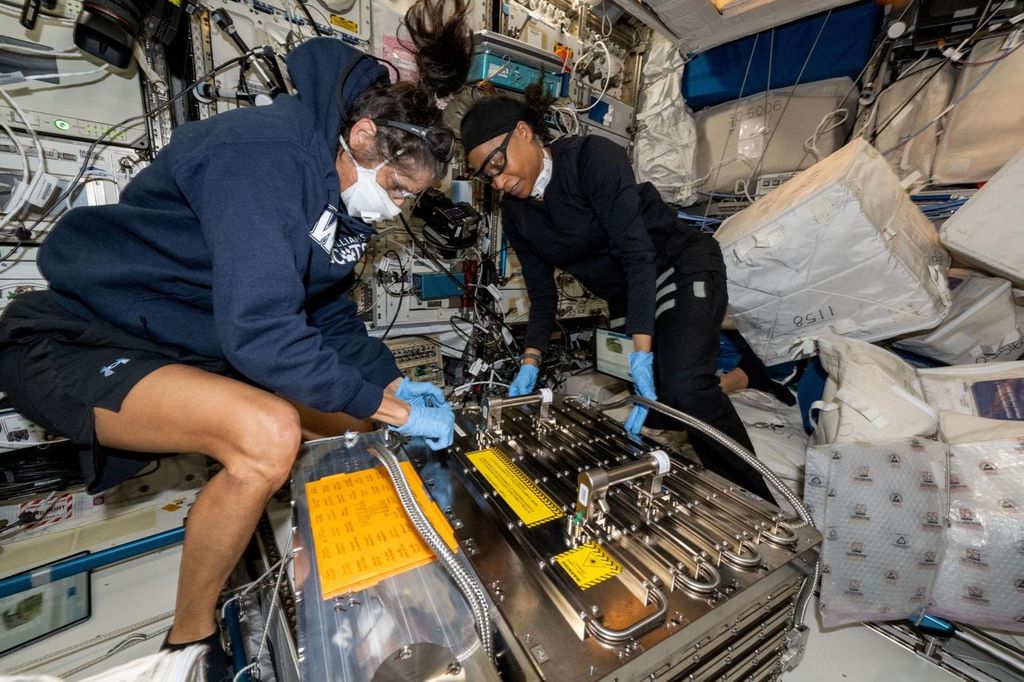
3D printing helps students connect scientific concepts with objects they can see and handle. They can create models of cells, planets, geological structures, or machine parts to understand how different components fit together.
NASA’s official STEMonstrations: 3D Printing lesson explains how astronauts use 3D printing aboard the International Space Station (ISS). Astronaut Sunita Williams discusses the technology and its uses in space. Teachers can use this resource to introduce students to manufacturing in microgravity and explain why astronauts may need to produce tools or parts while away from Earth.
This is a real educational resource rather than an assumed classroom success story.
Try it in class: Ask students to design a simple object that could help astronauts complete a task aboard a spacecraft. Have them explain why its shape and size suit the job.
Source: NASA — STEMonstration: 3D Printing
2. Teach Mathematical Modeling Through Design
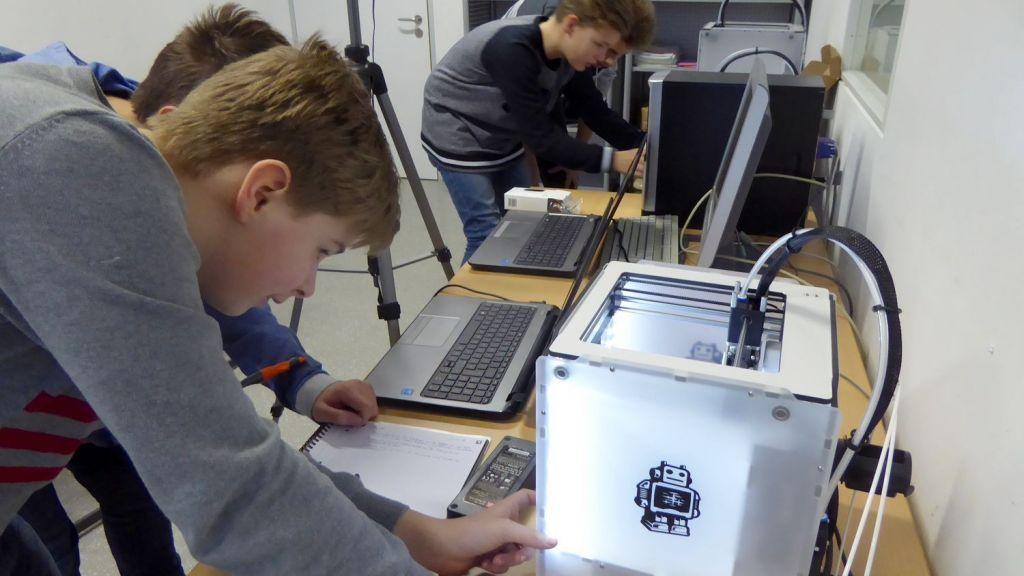
By materializing mathematical concepts, 3D printing makes theoretical computations more accessible. While using computer-aided design (CAD) software, students can manipulate geometric connections, scale, area, volume, and angles.
As an example, Penn State Harrisburg documented a session that thirty middle school teachers in south-central Pennsylvania attended and reported on. The session emphasized 3D printing as a tool to bolster mathematical modeling. After exploring their potential classroom uses, educators returned 3D printers to their institutions. Ideas for the project ranged from cellphone covers to bridges, boat hulls, and rocket nose cones.
This study confirms the validity of the educator workshop and its intended uses. On its own, it cannot demonstrate that students' performance has improved.
Try it out in class: give students precise measurements to work with while designing a phone stand. Before printing, they can measure the object's height and base area to make sure it fits.
Source: Penn State — Middle school teachers return to classroom with 3D printer after workshop
3. Develop Engineering Skills by Solving Real Problems
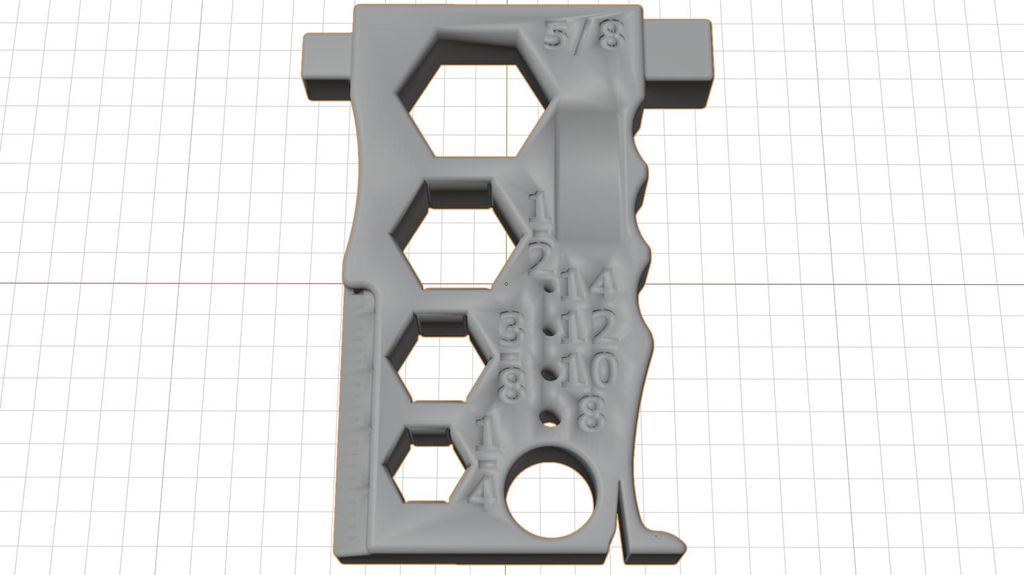
Engineering involves more than creating something that looks good. Students must understand a problem, identify design requirements, create a solution, and check whether it works. 3D printing lets them test these steps with physical prototypes.
Real World Example: NASA documented a strong example through its Future Engineers Space Tool Challenge. High school student Robert Hillan designed a multipurpose maintenance tool for astronauts. His design won the competition and was 3D-printed aboard the International Space Station in 2016. The tool combined several functions, including different-sized wrenches and a wire-stripping feature.
This example shows how a student design can address a real engineering need. It also demonstrates why printed objects must meet practical requirements, not just look correct on a computer screen.
Try it in class: Ask students to design a simple tool for a specific problem, such as opening a container or holding an object steady. Give them size and material limits, then let them test and revise their designs.
Source: NASA — First Student-Designed Tool Printed in Space
4. Connect 3D Printing With Coding and Scientific Measurement
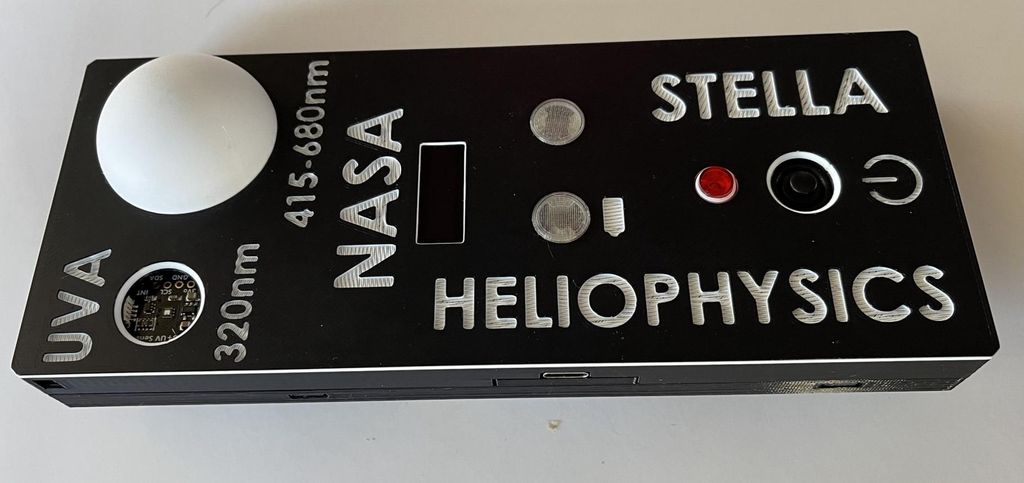
A 3D printer can also help students build the physical parts of a scientific instrument. When they combine printed components with sensors, electronics, and code, they can learn how different technologies work together.
Real-world example: NASA’s STELLA is a real example. The handheld spectrometer has a 3D-printed structure and uses electronic components, including Arduino and other microcontroller technologies, to support scientific measurements. NASA has also documented educator Lynn Nichols using STELLA to connect space technology with K–12 STEM learning.
Teachers can use this example to discuss how scientists measure light and collect data. Depending on the equipment available, students could build a simple enclosure for a sensor, program a microcontroller, and record measurements during a classroom experiment.
Try it in class: Have students design a protective case for a light sensor or another classroom electronic component. They can measure the device, model the case, print it, and check that the openings and dimensions are correct.
Source: NASA — Bringing NASA Technology to the Classroom With STELLA
5. Learn Through Testing, Failure, and Redesign
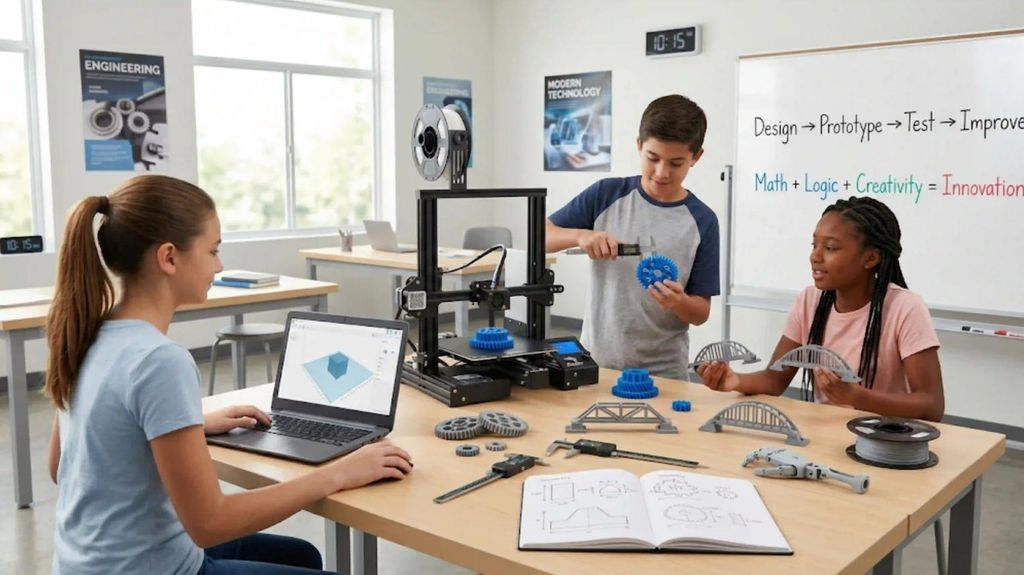
Real-world example: A printed component could not fit well, crack when subjected to stress, or consume more material than required. Students might use these challenges as motivation to double-check their measurements, reconsider their plans, and give it another shot.
The Jet Propulsion Laboratory at NASA lays out this strategy in their materials for teaching engineering to middle school students. The resources provided show students how to evaluate and compare different models, as well as how to test and analyze their results. Among the several methods for making physical engineering models, the manual singles out 3D-printed items.
While the NASA site does advocate for iterative engineering and 3D printing, it does not mandate their use in all lessons. This is a key difference.
Try it in class: Challenge groups to come up with a lightweight bridge or support system that can withstand a specified load. Get their models printed, put them through their paces in the same environment, note the outcomes, and then tweak them for an extra round of testing.
Source: NASA JPL — NGSS Engineering for Middle School
6. Introduce Students to CAD and Digital Manufacturing
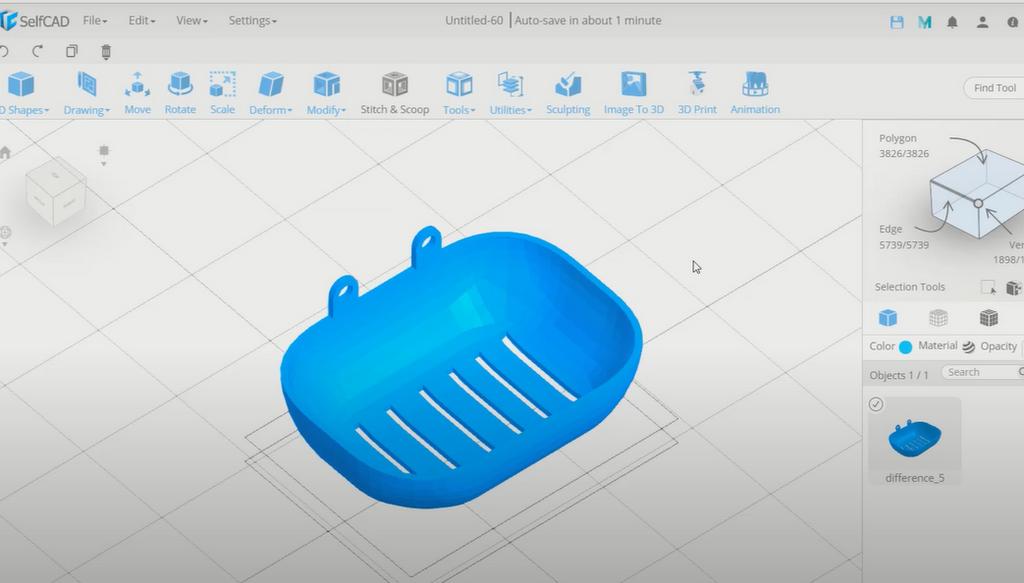
Typically, students are required to make or modify a digital 3D model before they may print an item. Topics covered include CAD, dimensions, spatial thinking, and the link between digital files and practical manufacturing.
Students can make and edit 3D models in a visual workspace using an easy-to-use 3D modeling software like SelfCAD. For 3D printing, they can use simple forms, resize and rotate items, mix and match components, and more. Before tackling more intricate designs, educators can begin with simpler crafts like name tags or desk organizers.
Prior to printing, students should master the art of measuring, checking wall thickness, overhangs, and part fit. Kids learn from this that even a seemingly perfect model could require tweaks to function properly in the actual world.
Make it a class project: have students create a unique pencil holder using predetermined dimensions (height and diameter). Inquire about their measurements and ask them to estimate the amount of space the finished product will take up.
7. Help Students Understand Future STEM Careers
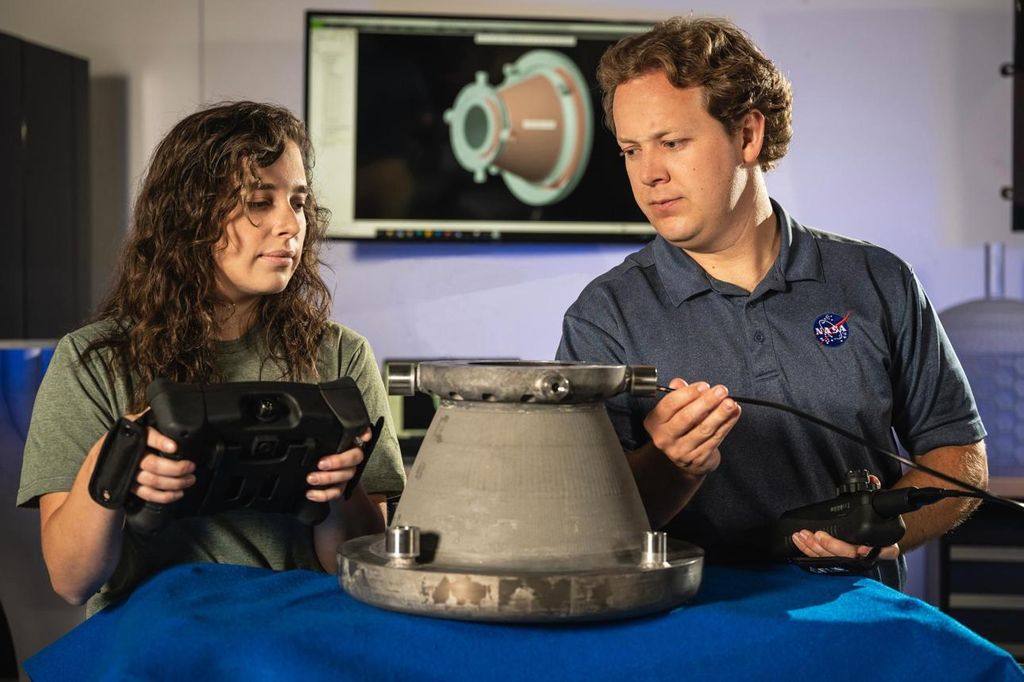
3D printing is used in fields such as aerospace engineering, product design, manufacturing, scientific research, and prototyping. Classroom projects can help students understand the types of tasks involved in these careers.
NASA’s educational resources connect additive manufacturing with careers including aerospace engineers, materials scientists, and additive manufacturing technicians. Students can learn that these professionals do more than operate printers: they also select materials, develop models, test components, and check whether parts meet specific requirements.
Teachers can use the student-designed NASA space tool as a career discussion starter. Students can consider how a design moves from an idea to a digital model and then to a physical part that astronauts can use.
Try it in class: Assign roles such as designer, materials researcher, printer operator, and tester. Have teams work together on a single project and explain how each role contributes to the final result.
How Teachers Can Get Started With 3D Printing
Schools do not need to begin with complicated engineering projects. A few simple activities can introduce students to the process.
- Elementary school: Print geometric shapes, name tags, or simple objects to teach shape recognition and measurement.
- Middle school: Design containers, bridges, or useful classroom tools and test their dimensions or strength.
- High school: Combine CAD with electronics, scientific measurements, or engineering challenges that require multiple prototypes.
Start with small prints, use age-appropriate design software, and follow the printer manufacturer's safety guidance. Students should also learn that printing takes time and that failed prototypes are a normal part of testing and improvement.
Conclusion
Students may take their ideas and transform them into tangible products using 3D printing, which allows them to test, refine, and ultimately make STEM learning more hands-on. Evidence from Penn State and NASA demonstrates the technology's relationship to mathematical modeling, engineering, space research, and scientific instrumentation.
The most effective classroom projects always start with a well-defined problem. Students demonstrate mastery of the fundamentals of engineering and science by creating an item, putting it to the test, and making adjustments depending on the results.