
Bambu Lab Build Plate Guide: Choose the Right Plate for Better 3D Prints
An integral component of any 3D printer is the build plate.
For a wide variety of printing materials and purposes, Bambu Lab provides a number of build plates. Some offer more robust adherence. Some produce a glossy sheen, while others make it simpler to erase imprints. If you are aware of when to utilise each one, you can prevent build surface damage, bent corners, and unsuccessful prints.
Every single Bambu Lab build plate is detailed in this manual. This will teach you how to choose the right one for various filaments, keep it in good condition, and fix typical adhesion issues.
What Is a Bambu Lab Build Plate?
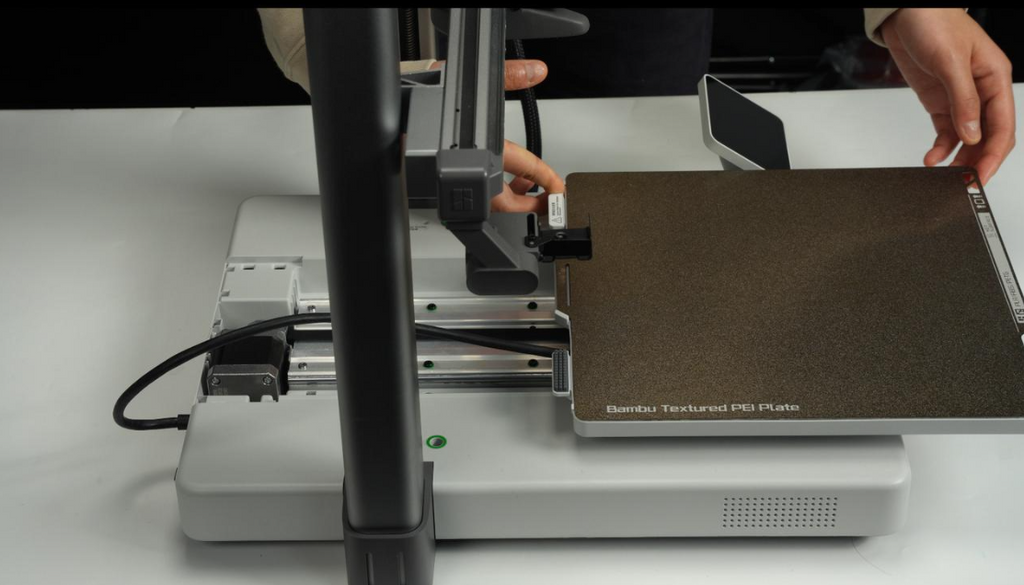
The build plate is a detachable metal plate that sits atop the heated print bed that is heated. The nozzle loads this surface with molten filament when printing. Until the print is complete, the build plate must maintain a strong grip on it. Once cooled, the print should come out of the plate without harming the model.
Bambu Lab printers utilise spring steel plates that are flexible. To remove the printed model from the plate, simply gently bend it once printing is complete. This is far more convenient than utilising hard glass beds for removing prints.
Surface coatings vary among plates. Depending on the coating, your print's adhesion, heat resistance, and the final appearance of the print's base will all be different.
Why Choosing the Right Build Plate Matters
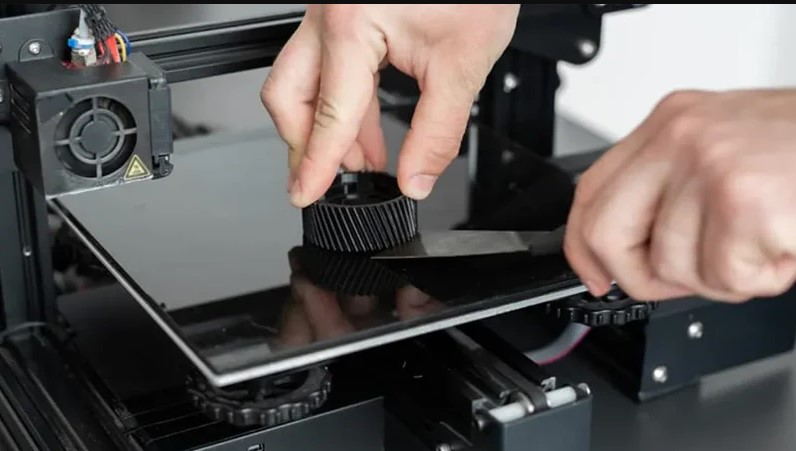
The majority of newcomers incorrectly assume that all build plates are identical. That is incorrect.
When cooled, differentfilaments contract and expand in different ways. PLA typically adheres well. ABS and ASA frequently distort. Too much PETG sticking might ruin some surfaces. High temperatures and exceptional adhesion are necessary for nylon.
By using the right plate, you can enhance the quality of the initial layer, decrease the likelihood of print failures and warping, and preserve the surface from needless wear and tear. It also facilitates the removal of prints considerably.
Types of Bambu Lab Build Plates
There are a number of official build plates available from Bambu Lab right now. There is a distinct function for each of them.
1. Textured PEI Plate
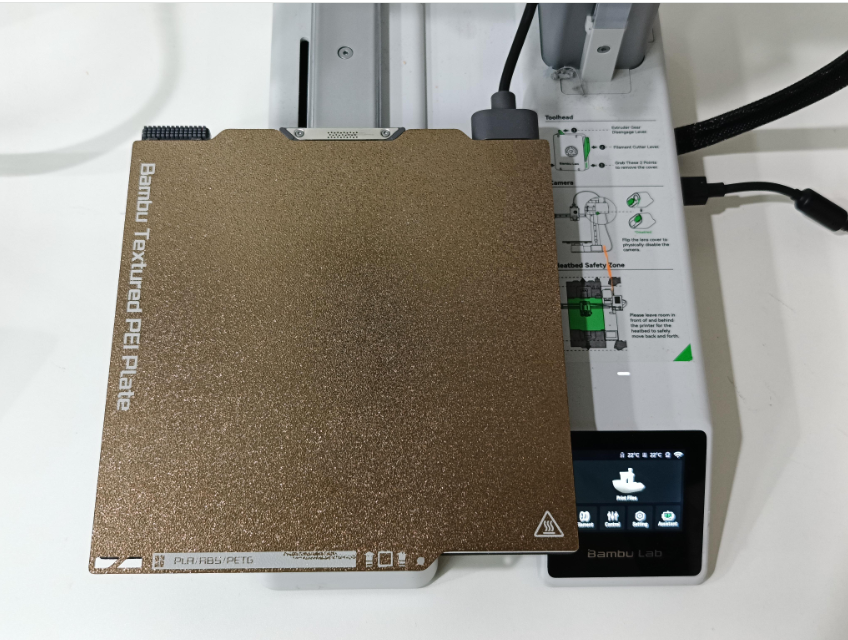
Most people who print frequently choose the Textured PEI Plate. The rough PEI coating makes it more grippable during printing. Prints typically come off with minimal effort after the plate cools.
PLA, PETG, TPU, ABS, and ASA are just a few of the usual materials that complement this plate. Many customers prefer to have this plate installed most of the time due to its versatility.
The bottoms of printed components take on a matte appearance thanks to the rough surface. This matte finish gives the product a more professional appearance, which is why many makers like it.
2. Smooth PEI Plate
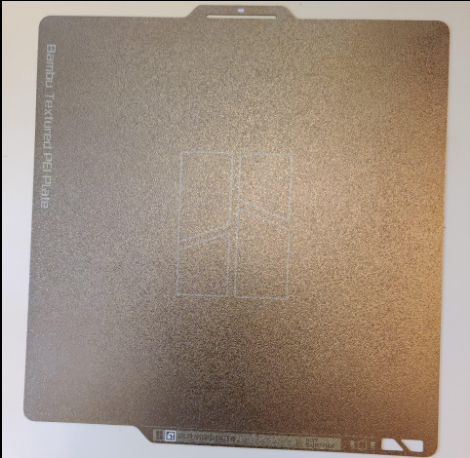
The bottom surface of the Smooth PEI Plate is level and glossy. This plate is perfect if you care about how it looks.
You can use it with TPU, ASA, PLA, and ABS. When printing PETG on smooth PEI, Bambu Lab suggests using a release layer of glue to prevent the PETG from bonding too strongly.
This plate creates smoother, less textured bottom layers than textured PEI.
3. Cool Plate (SuperTack)
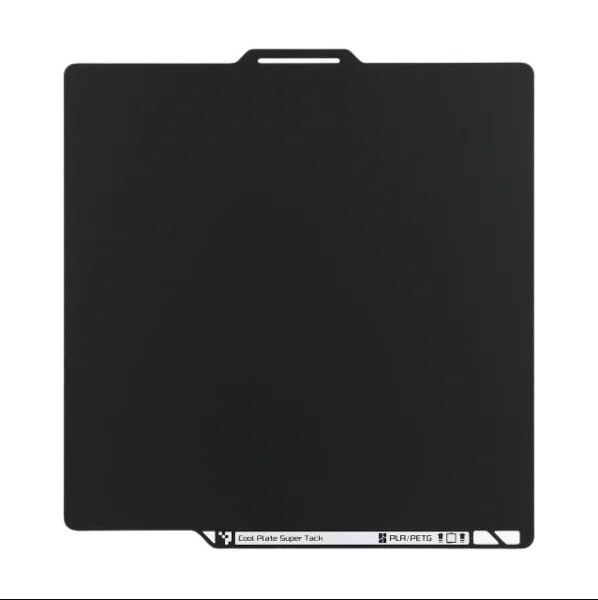
Printing with PLA is the primary goal of the Cool Plate SuperTack's design. It uses lower bed temperatures than conventional heated build plates while still producing extremely strong adhesion.
Some PLA models may print better at lower temperatures, and they also assist cut down on energy consumption. Nevertheless, not all filament types are compatible with this plate.
It may be necessary to carefully remove some models after printing because prints can stay quite well.
4. Engineering Plate
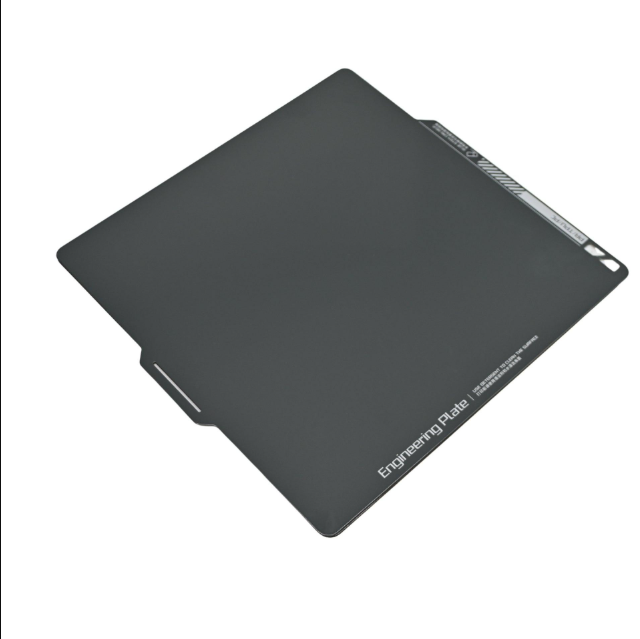
When working with tougher engineering materials that can withstand greater heat, the Engineering Plate is the way to go.
Materials based on nylon, polycarbonate, ABS, and ASA are typical users. A glue layer is also necessary for most engineering filaments to prevent surface damage and enhance print removal.
For tough materials, many seasoned users still rely on Engineering Plates, even if newer PEI plates are more popular.
5. High Temperature Plate
When printing with high-temperature advanced engineering polymers, use the High Temperature Plate.
This plate works well with polycarbonate, carbon fibre nylon, PET-CF, and PA-CF, among other materials. Bambu Lab suggests utilising glue to protect surfaces from these materials' strong bonding.
Those who are familiar with working with industrial-grade filaments should utilise this plate.
Bambu Lab Build Plates: Best Options to Buy
1. Bambu Lab Textured PEI Plate (Best Overall)
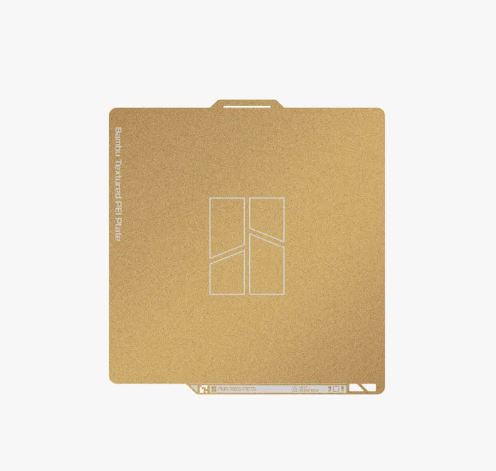
For regular printing, the best construction plate to use is the Textured PEI Plate. Materials such as PLA, PETG, TPU, ABS, and ASA adhere superbly to it. Without hurting the sculpture, prints typically pop off with a simple flex as the plate cools.
In addition to hiding minor flaws, the textured surface offers the underside of each print a smooth matte feel. The only real upkeep it needs is the occasional washing with some dish soap and warm water. This is the build plate that stays on the printer the most for most enthusiasts and pros because it is the best all-around option.
Price: $20.99
2. Bambu Lab Smooth PEI Plate (Best for Smooth Bottom Surfaces)
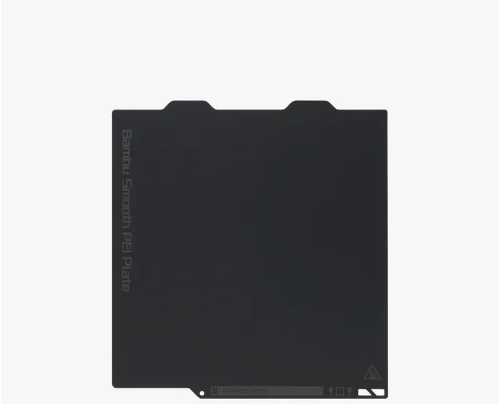
Consider using the Smooth PEI Plate as a base for your prints if you're going for a glossy, expert appearance. Many users use it for display models because it produces a polished surface and delivers solid adhesion for PLA, ABS, ASA, and TPU.
Bambu Lab suggests applying a glue layer as a release agent to smooth PEI since PETG and certain technical materials can adhere too tightly. By taking this easy step, you can preserve the coating and remove prints with ease.
Price: $18.19
3. Bambu Lab Cool Plate SuperTack (Best for PLA)
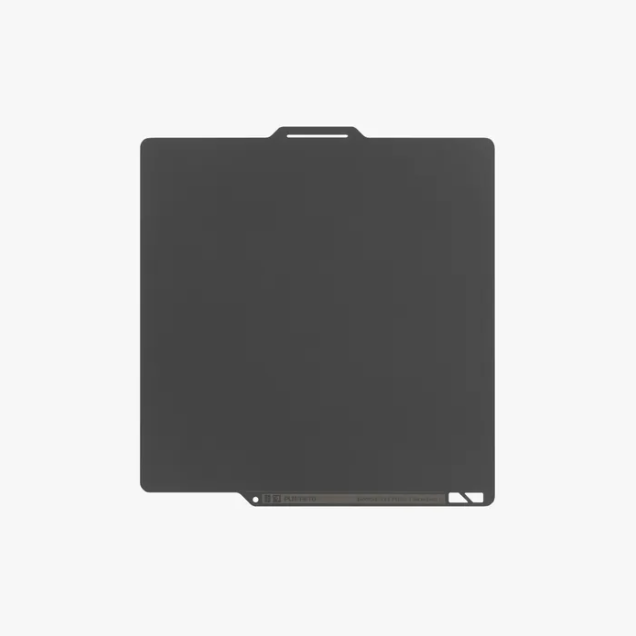
Printing PLA at reduced bed temperatures was the primary motivation for developing the Cool Plate SuperTack. Even when the heated bed runs significantly cooler than conventional PEI plates, its high-grip covering ensures exceptional adhesion. Energy usage and the time it takes for a printer to heat up are both decreased at lower temperatures.
For both huge flat prints and tiny components, several users have noted that the first layer performs exceptionally well. You should let the plate cool before removing prints, though, because the adhesive is quite strong. This surface might not be ideal for certain speciality materials, such as silk PLA.
Price: $24.49
4. Bambu Lab Engineering Plate (Best for Engineering Filaments)
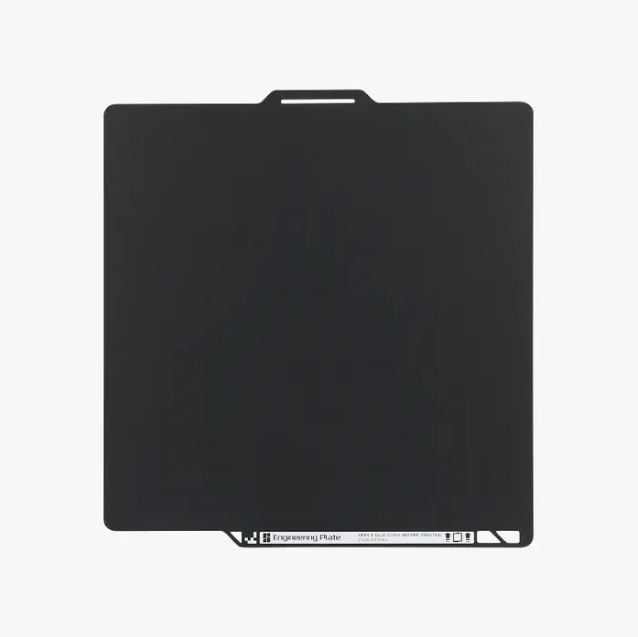
Printing materials like nylon, polycarbonate, and other engineering plastics necessitate higher printing temperatures; this is where the Engineering Plate comes in. Due to the inevitable shrinkage that occurs when these materials cool, excellent bed adherence is crucial.
To safeguard the build plate and avoid excessive sticking, a small coating of glue is typically required for engineering filaments. Even though there are more versatile PEI plates now, the Engineering Plate is still a good choice for tough jobs.
Price: $25.49
5. Bambu Lab Dual-Texture PEI Plate (Best Two-in-One Option)
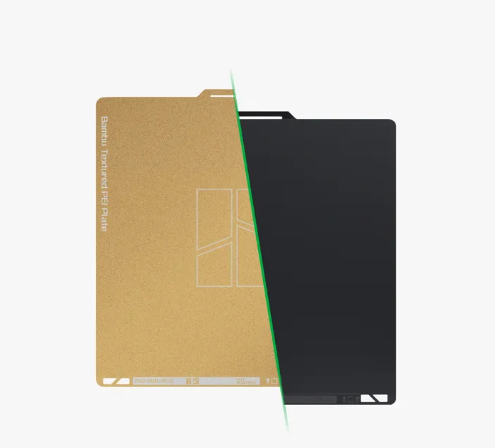
One spring steel sheet can have two distinct printing surfaces with the Dual-Texture PEI Plate. You can get a textured finish on one side and a different texture on the other, depending on the model, so you can have additional options without having to buy extra plates.
If you're a user who wants a variety of surface finishes but doesn't want to break the bank buying individual plates, this is a great option for you.
Price: $19.59
Best 3D Design Software for Education
If you're creating models for a Bambu Lab printer, SelfCAD is the best 3D modeling software. It can optimize complex models, the Boolean Tools to combine or subtract shapes for custom designs, and the 3D Sketch Tool to draw directly in three-dimensional space. After finishing your design, simply export it as an STL or OBJ file. This streamlined workflow helps beginners and experienced makers create printable models more efficiently.
Which Bambu Lab Build Plate Should You Buy First?
The Textured PEI Plate is typically the greatest option to consider when purchasing your first additional construction plate.
Not only does it work with the most common filaments, but it also has great adhesion, easy print release after cooling, and minimal maintenance needs. In the course of normal, daily printing, most hobbyists will rarely need to change plates.
Investing in a Smooth PEI Plate is a smart second purchase for those who print display models frequently and like glossy bottom surfaces.
For improved adhesion and equipment protection, users should think about using a High Temperature Plate when printing complex technical materials.