
Bambu Lab A1 vs A1 Mini: Which 3D Printer Should You Buy?
When it comes to desktop 3D printing, Bambu Lab is now a household name. One of its best-selling models is the Bambu Lab A1, while another is the Bambu Lab A1 Mini.
When viewed side by side, these printers appear to be rather similar. A lot of the technology that powers them is identical. Additionally, the print quality is almost identical. Because of this, many consumers have a hard time deciding which option is best.
Fortunately, making the choice is easier than it looks. You can choose the best machine for your needs with our guide that compares every major aspect.
1. Large Build Volume
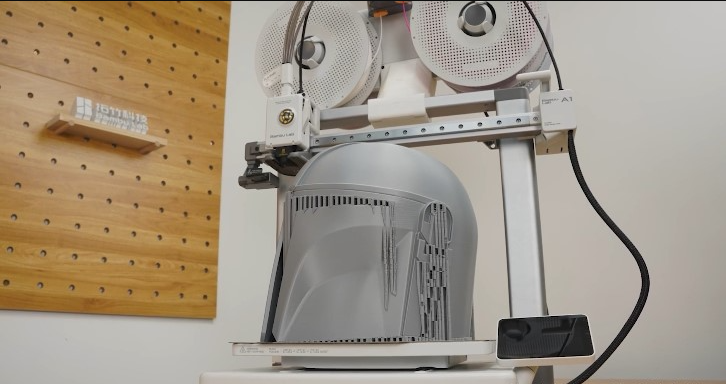
A contemporary 3D printer's build area is a crucial component. You may print larger home objects, such as storage boxes, engineering prototypes, helmets, and cosplay props, all in one piece.
Building dimensions for the Bambu Lab A1 are 256 256 256 mm; however, for the A1 Mini it's 180 180 180 mm. The print quality is identical on both printers; however, the A1 can manage considerably bigger jobs without dividing models into multiple portions. This results in stronger final prints with less assembly effort and more time saved.
Winner: Bambu Lab A1
2. High-Speed Printing
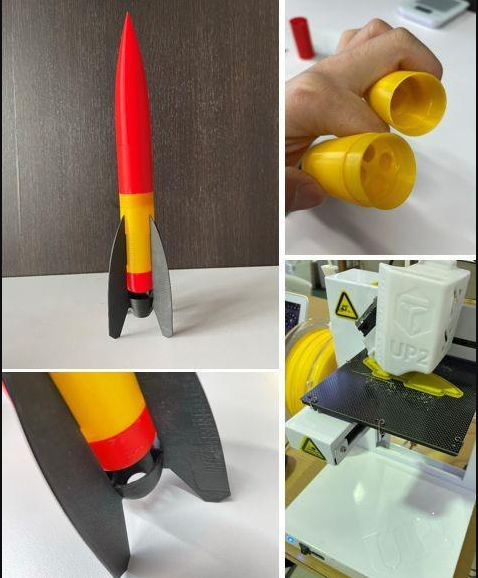
In 2026, speed is now an expected feature. The majority of users no longer tolerate having to wait twenty hours for a medium-sized print.
Both printers are capable of accelerating to 10,000 mm/s² and reaching speeds of 500 mm/s. In addition, they employ motion compensation technology, which enables rapid printing without compromising on quality.
Both machines complete models of comparable size in almost the same amount of time when used for everyday printing.
Winner: Tie
3. Print Quality
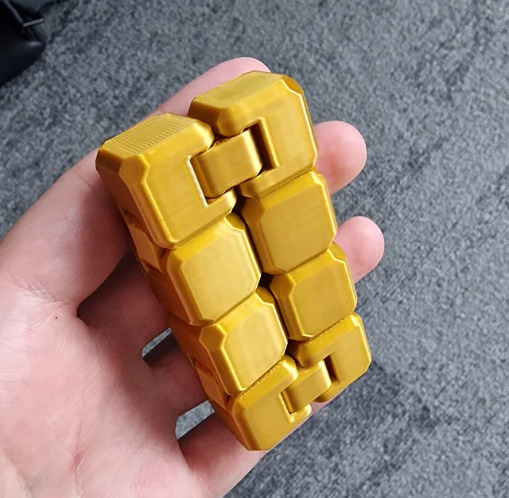
Without having to spend hours tweaking settings, modern users expect smooth surfaces, crisp edges, and precise measurements. The Bambu Lab A1 received a 29 out of 30 for print quality according to TechRadar's independent testing, which tested its dimensional accuracy with an average XY error of approximately 0.099 mm.
In terms of print engine, auto calibration system, and direct drive extruder, the A1 and A1 Mini are identical. The outcome is that their print quality is very similar. On both printers, even the smallest mechanical components, ornamental creations, and functional elements turn out beautifully.
Just because the A1 is bigger doesn't mean it will make better-looking prints.
Winner: Tie
4. Automatic Calibration
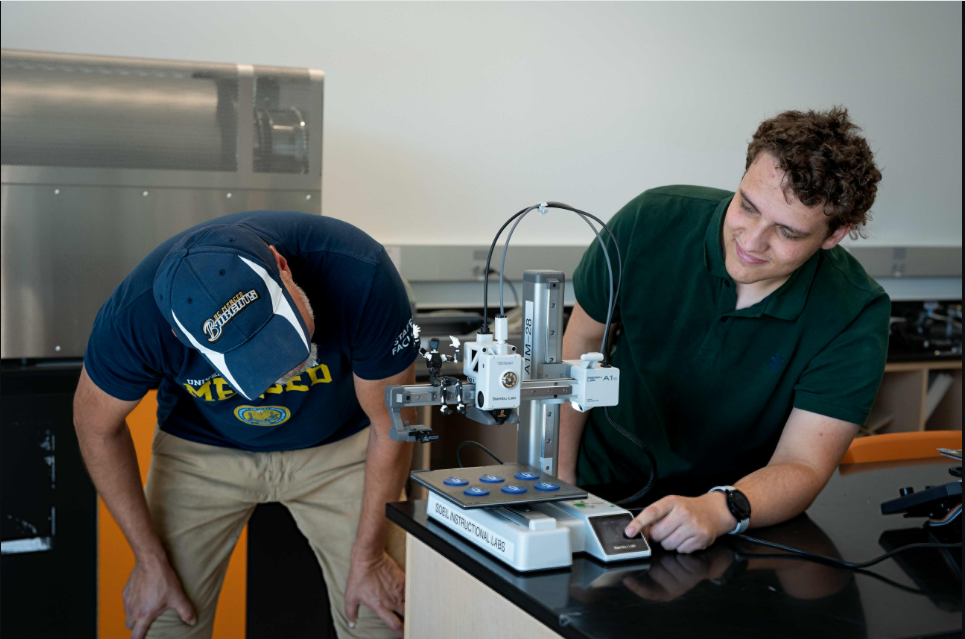
Automation is one of the most significant advancements in contemporary 3D printing.
Before each print, the two printers will automatically adjust the print bed level, filament flow calibration, vibration compensation, and first layer optimisation. Screw adjustments and machine tuning are now things of the past for novices.
There will be far fewer failed prints and far more successful ones because of this automation.
Winner: Tie
5. Smart Sensors
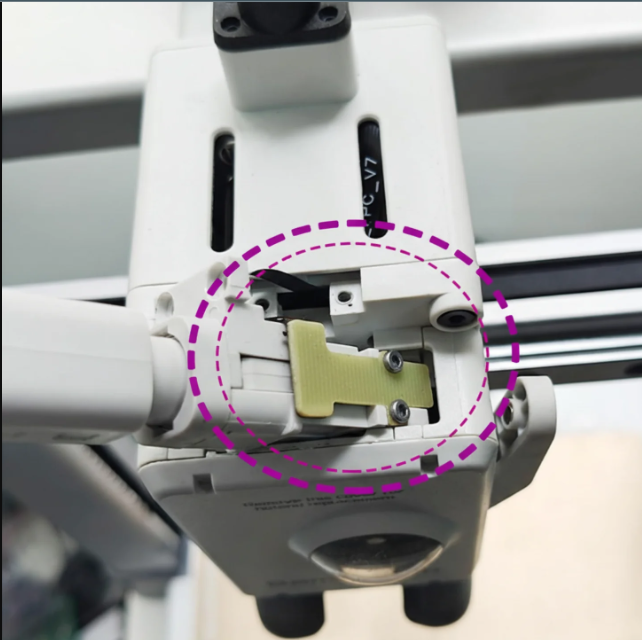
In 2026, a decent printer should be able to spot issues before they damage a whole print job.
Among the features included in both printers are sensors for filament runout and tangle identification as well as power loss recovery and filament odometry. Long operations don't have to end in wasted material or failed prints thanks to these sophisticated sensors.
Neither computer has an edge over the other because they both have the same security measures.
Winner: Tie
6. Multi-Color Printing
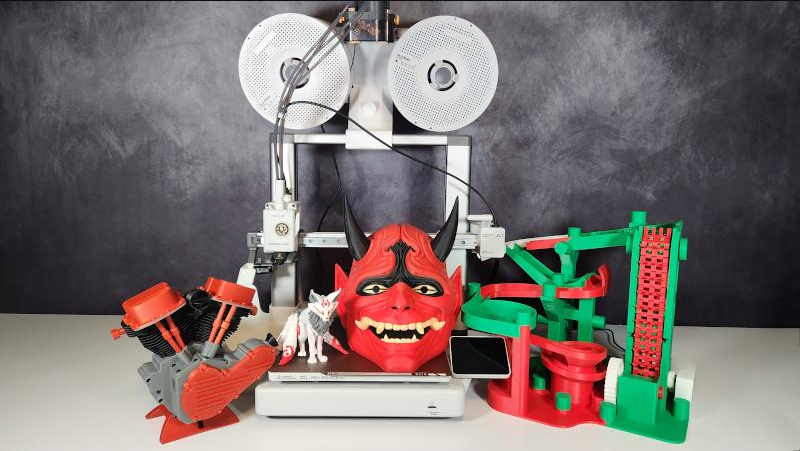
Even for those who print for fun, multi-color printing has grown increasingly popular.
The A1 Mini and A1 both work with the AMS Lite, which lets you automatically switch between up to four different colours of filament. This eliminates the need to manually change filament, making it ideal for printing brightly coloured toys, signage, logos, ornamental sculptures, and instructional projects.
Both machines provide the same printing experience.
Winner: Tie
7. Material Compatibility
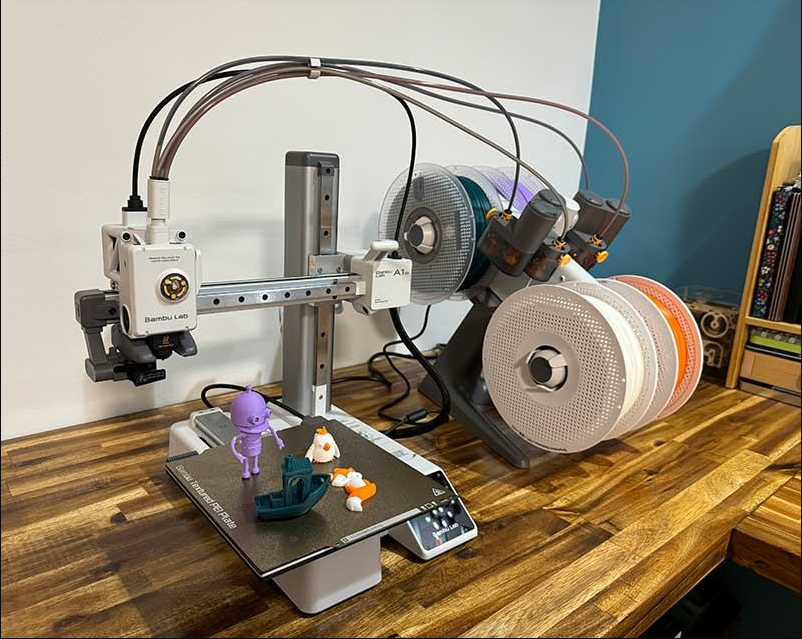
Advanced 3D printers should be able to handle materials beyond PLA.
Printing with PLA, PETG, TPU, or PVA is a breeze with either printer. On the other hand, the A1 Mini only has an 80°C heated bed, whereas the A1 has a 100°C heated bed. Despite the fact that both printers are open-frame, the hotter bed offers marginally better support for materials that demand higher bed temperatures. Neither of them is suited for printing ABS, ASA, or engineering-grade composites without an enclosure.
The A1 is better for people who desire more options.
Winner: Bambu Lab A1.
8. AI and Smart Printing Features
In 2026, a top-tier printer ought to automate intelligently to lessen the need for human intervention.
Both printers come with features including automated flow calibration, vibration adjustment, cloud connectivity, a built-in camera for print monitoring and time-lapse video creation, and firmware upgrades. Even first-time users will appreciate how these features improve printing reliability and ease.
Neither of these printers has the sophisticated artificial intelligence failure detection that is available on some more expensive enclosed machines, but they do provide a lot of useful smart features for the money.
Winner: Tie.
9. Ease of Use
For first-timers, the most important consideration is how easy it is to use.
Both the A1 and the A1 Mini come ready to go. The setup process is quick, and the touchscreen interface is intuitive. Bambu Studio offers high-quality, pre-made print profiles that don't necessitate any complicated tweaks.
Anyone can start printing successfully on day one, regardless of their level of familiarity with 3D printing technology.
Winner: Tie.
10. Noise Level
3D printers are increasingly commonplace in many homes, apartments, and even some classrooms and companies.
Because of advancements in motion control and vibration correction, both printers are noticeably quieter than their predecessors. Due to its smaller moving bed, the A1 Mini produces slightly less noise when operating, giving it a slight advantage.
In peaceful settings, the difference is audible despite its diminutive size.
Winner: Bambu Lab A1 Mini.
11. Future-Proofing
You should consider investing in a 3D printer. Despite the passage of time, a machine should continue to serve your purposes.
Here is where the A1 really shines. You can print more parts at once and handle larger projects with its larger build plate. The A1 continued to satisfy the demands of many community members, but they quickly outgrew the A1 Mini as they desired to create larger models.
Because of its greater build volume, the A1 is the better long-term option if you intend to be involved with 3D printing for a while.
Winner: Bambu Lab A1.
Real-world example: Red Wolf Technology

The A1 and A1 Mini are part of a fleet of Bambu Lab printers used by Australian business Red Wolf Technology to create personalised phone accessories.
Bambu printers replaced injection moulding, which the company had been using before. Long manufacturing lead times, high production batches, and costly moulds were necessary for this.
In order to implement on-demand manufacturing, Red Wolf shifted to using Bambu printers. These days, consumer orders are the only ones that trigger product printing. Due to the elimination of tooling expenses and the resulting reduction in inventory, clients were able to obtain their personalised accessories significantly faster.
The A1 and other larger printers make it possible to print larger prototypes and accessories without having to separate the components.
Best 3D Modeling Software for Education
Whether you choose the Bambu Lab A1 or the A1 Mini, you need reliable 3D modeling software to create or customize your designs before printing. SelfCAD is an all-in-one browser-based CAD and slicing software that is beginner-friendly yet powerful enough for advanced makers. It includes useful tools like Freehand Drawing for sketching custom shapes, Magic Fix for repairing damaged 3D models, and Generate from Text to create 3D models using AI prompts. You can also slice your models directly inside SelfCAD, making it easy to go from idea to finished print without switching between multiple programs.
Overall Verdict
The Bambu Lab A1 stands out as the superior all-around option if you consider these printers in light of the features that will be most important in the year 2026. With a substantially greater build capacity, a heated bed that can withstand higher temperatures, and improved long-term adaptability, it improves upon the A1 Mini in every way: print quality, speed, and intelligent automation. Because of these benefits, it is a more suitable investment for the majority of manufacturers, hobbyists, and small companies.
If you're just starting out, are a student, or have a small work area, the Bambu Lab A1 Mini is a great choice. It is smaller, cheaper, and offers almost all of the A1's premium features. It is still one of the greatest entry-level 3D printers on the market if you do largely tiny tasks and have a limited budget.