
9 Smart Factories Using AI and 3D Printing
3D printing and artificial intelligence are revolutionising contemporary production. Modern "smart factories" use artificial intelligence (AI) to streamline processes, anticipate machine breakdowns, automate quality checks, and manufacture complex components via additive manufacturing, all while eschewing conventional, time-consuming production methods. These innovations allow for mass customisation, shorter manufacturing cycles, and less waste.
Listed below are some of the world's best-known manufacturers that have built smarter, faster, and more efficient factories by combining AI with 3D printing.
1. Siemens
How They Work With AI 3D Printing
- AI-powered predictive maintenance
- Digital twin simulation before production
- AI-based quality inspection
- Real-time production optimization
- Industrial IoT data analytics
- 3D-printed prototypes and tooling
- On-demand spare parts manufacturing
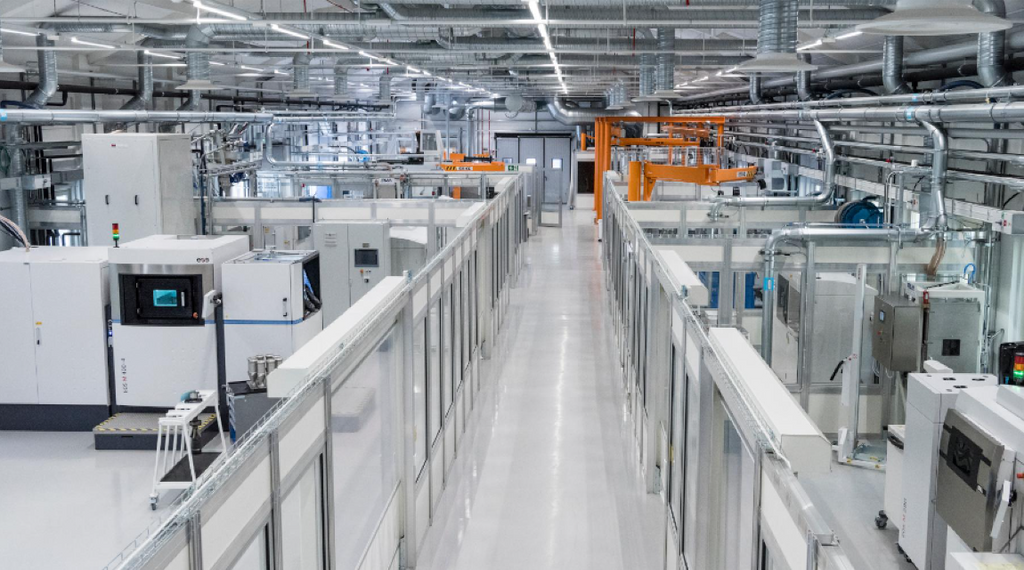
Thanks to its integrated manufacturing ecosystem that includes 3D printing, digital twins, industrial automation, and artificial intelligence, Siemens has emerged as a global leader in smart factories. By analysing production data in real time, our AI-powered software improves scheduling, predicts equipment breakdowns, optimises energy usage, and maintains consistent product quality. Industrial 3D printing allows for the precise fabrication of low-volume production components, spare parts, prototypes, and bespoke tooling.
In addition, Siemens enables firms to do virtual product and line testing before actual manufacturing, which speeds up innovation and decreases expensive mistakes. Businesses benefit from increased production, decreased waste, shortened development cycles, and more efficient, adaptable factories made possible by combining AI with additive manufacturing.
2. GE Aerospace
How They Work With AI 3D Printing:
- AI-assisted manufacturing analytics
- Automated defect detection
- AI-driven quality control
- Metal additive manufacturing
- 3D-printed jet engine fuel nozzles
- Lightweight aerospace components
- Complex metal part consolidation
- Reduced material waste through AI optimization
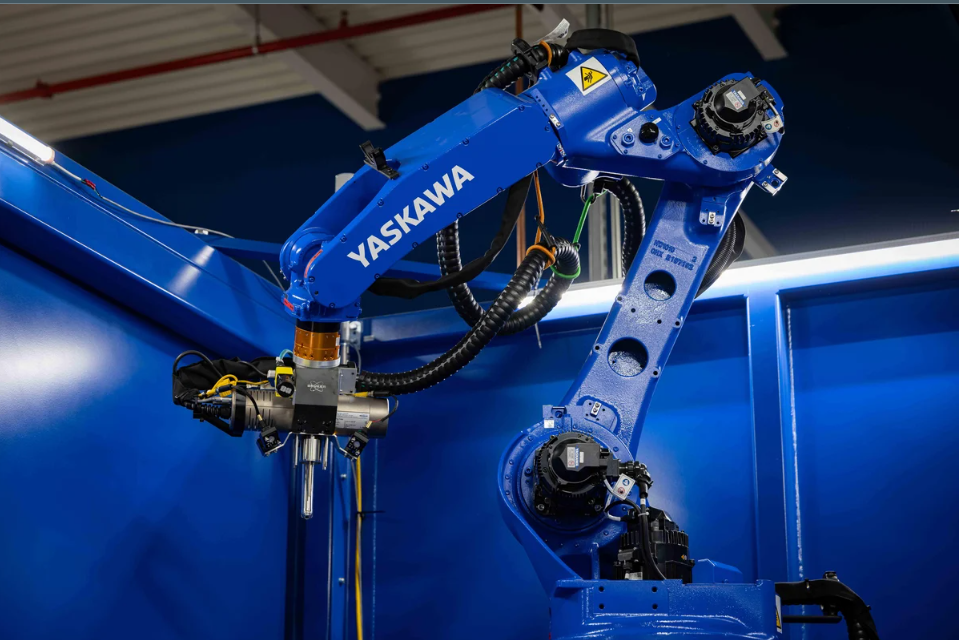
The innovative 3D printing of metals for industrial use and cutting-edge aerospace production were both pioneered by GE Aerospace. Using additive manufacturing, the company creates thousands of components that are ready for flight. These components include lightweight engine parts and complicated fuel nozzles that would be hard to make using traditional methods. Using AI to analyse industrial data, optimise workflows, improve quality inspection, and detect problems before they impact production is a great way to help production.
By integrating AI with metal 3D printing, GE Aerospace is able to decrease aircraft weight, increase fuel efficiency, condense numerous components into one printed part, and reduce material waste. In addition to reducing production deadlines and improving manufacturing uniformity, these technologies bolster the company's aim to mass-produce aircraft components that are safer and more reliable.
3. BMW Group
How They Work With AI 3D Printing
- AI-powered visual quality inspection
- Predictive machine maintenance
- Digital twin factory planning
- AI-controlled robotics
- 3D-printed production tools
- Custom assembly fixtures
- Rapid vehicle prototyping
- Lightweight automotive components
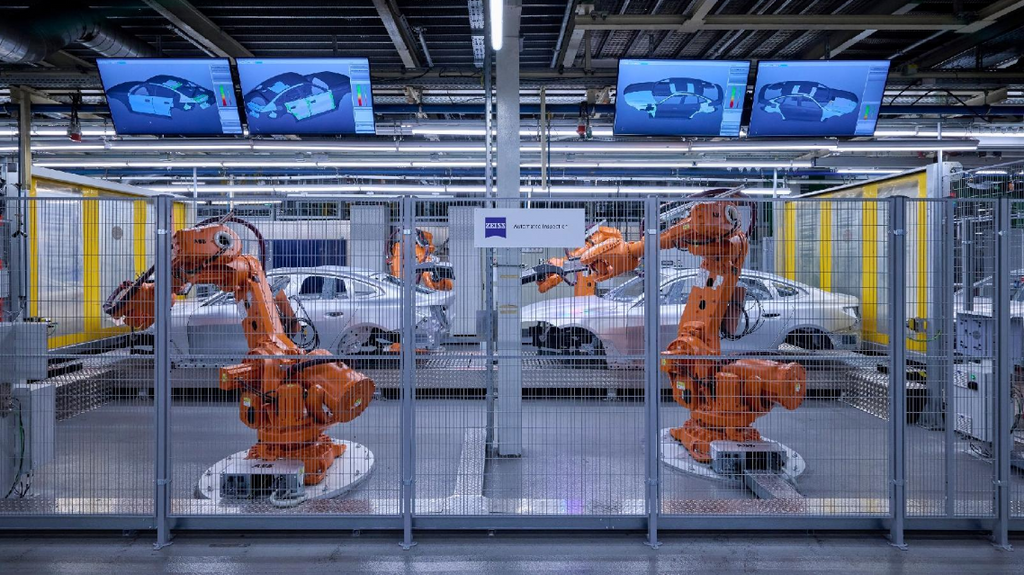
With the use of industrial 3D printing, digital twins, robotics, and artificial intelligence, the iFACTORY strategy has revolutionised BMW Group's production facilities. With the use of real-time production data, AI optimises factory operations, anticipates when equipment will need maintenance, and supports automated quality inspections. To further enhance production efficiency, the company uses additive manufacturing to create lightweight production fixtures, quick prototypes, and specialised assembly equipment for vehicles.
Rapid prototyping allows engineers to test out new car designs and production techniques before going into full-scale production. While keeping manufacturing standards high across its worldwide factories, BMW can decrease production costs, increase product quality, speed up innovation, and better react to changing consumer preferences thanks to this integrated approach.
4. Airbus
How They Work With AI 3D Printing
- AI-assisted design optimization
- Intelligent production planning
- Automated quality monitoring
- Predictive maintenance systems
- Metal 3D-printed aircraft parts
- Lightweight structural components
- Complex aerospace geometries
- Faster product development
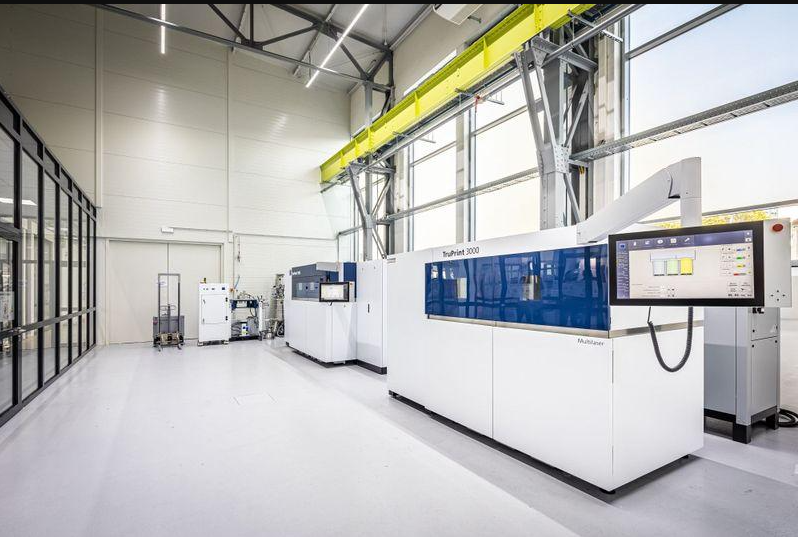
Airbus has made great strides in making lighter, stronger, and more efficient aerospace components by integrating artificial intelligence and industrial 3D printing into aircraft manufacturing. The use of metal additive manufacturing allows the firm to manufacture intricate components that lighten planes without sacrificing their structural integrity. Engineers benefit from AI because it helps with product design optimisation, production planning, quality control, and finding ways to make manufacturing more efficient.
By using this technology, Airbus is able to reduce maintenance needs, simplify assembly, and condense many parts into single printed components. In addition to assisting the firm in meeting stringent aerospace safety and performance standards, this smart manufacturing approach shortens product development cycles, decreases production costs, and increases fuel efficiency in aeroplanes.
5. Bosch
How They Work With AI 3D Printing
- AI-based predictive maintenance
- Smart factory process monitoring
- Automated production inspection
- Industrial IoT integration
- 3D-printed manufacturing tools
- Rapid engineering prototypes
- Custom machine components
- On-demand replacement parts
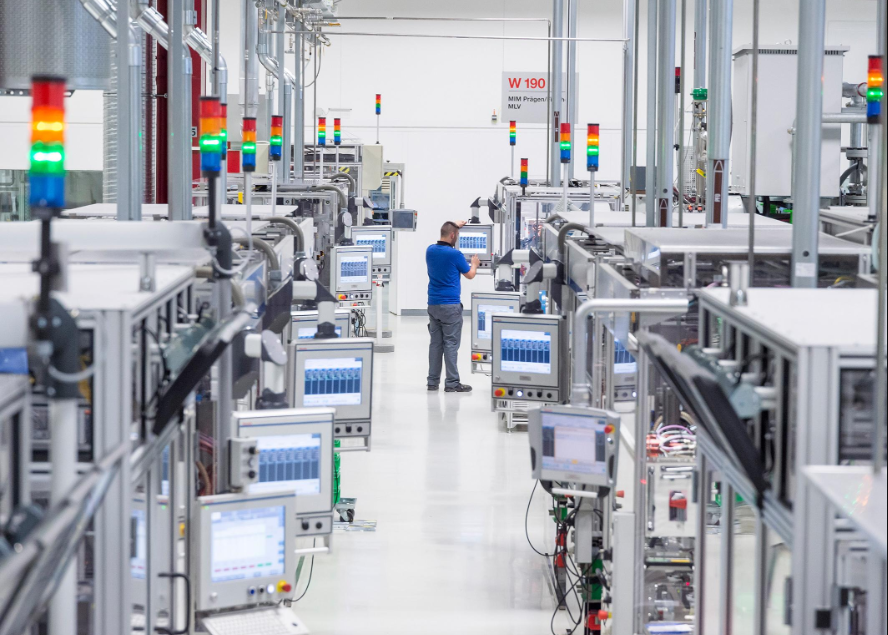
Many of Bosch's manufacturing sites now use industrial 3D printing, connected manufacturing systems, and artificial intelligence as part of Industry 4.0. In order to optimise production schedules, predict maintenance needs, monitor equipment performance, and improve product quality through automated inspections, AI continuously analyses data from factories.
Compared to traditional machining techniques, industrial 3D printing allows for the rapid creation of engineering prototypes, specialised tools, machine components, and production fixtures. These innovations have the potential to revolutionise numerous industries by decreasing operational costs, increasing manufacturing flexibility, decreasing downtime, and speeding up product development. Faster decision-making and more efficient, dependable, and adaptable automated factory processes are hallmarks of Bosch's data-driven manufacturing strategy.
6. Jabil
How They Work With AI 3D Printing:
- AI-driven workflow optimization
- Automated quality assurance
- Smart manufacturing analytics
- Production forecasting
- Metal and polymer 3D printing
- Rapid prototyping services
- End-use production parts
- Industrial tooling solutions
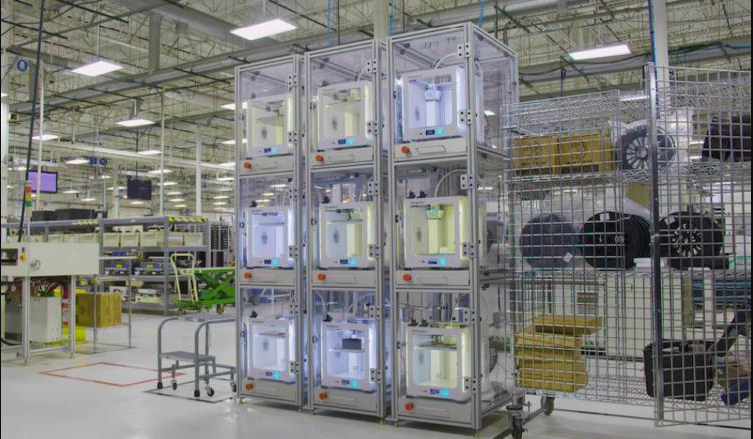
In order to provide cutting-edge production solutions to the healthcare, automotive, consumer electronics, and aerospace sectors, Jabil—one of the biggest manufacturing businesses in the world—uses industrial 3D printing and artificial intelligence. The application of artificial intelligence in manufacturing has several benefits, including the analysis of production data, the automation of quality checks, the optimisation of workflows, and the identification of process innovations that enhance productivity.
Using both metal and polymer 3D printing methods, Jabil is able to create end-use components, as well as quick prototypes, tooling, and low-volume production. Businesses can take advantage of the company's services to create complicated components with exceptional precision, cut inventory costs, speed up time to market, and shorten product development cycles. If your company is looking for smart factory solutions that can grow with your business, Jabil is a reliable partner thanks to its AI-driven analytics and industrial additive manufacturing.
7. HP Inc.
How They Work With AI 3D Printing
- AI-powered print optimization
- Smart workflow automation
- Predictive equipment monitoring
- Production data analytics
- Multi Jet Fusion technology
- Functional production parts
- Batch manufacturing
- Mass customization capabilities
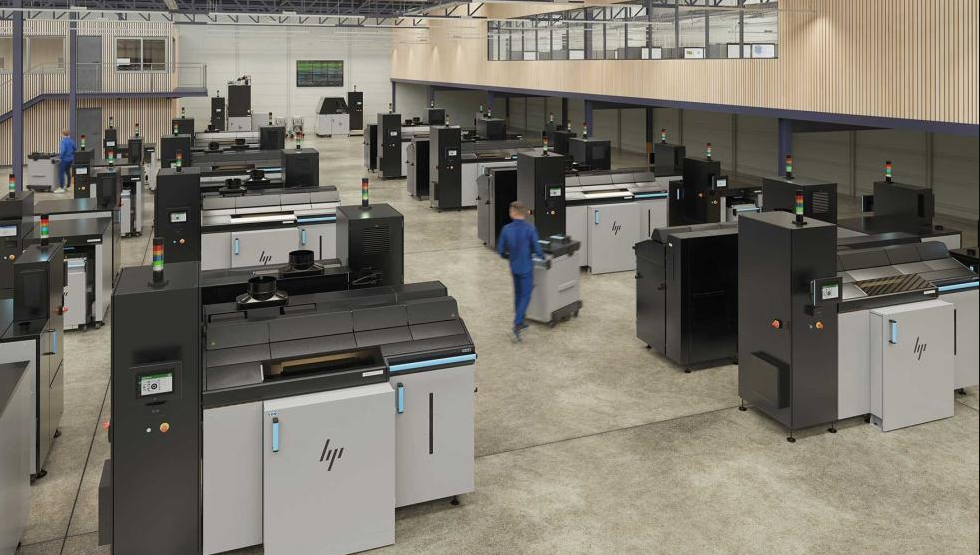
HP Inc.'s Multi Jet Fusion technology has propelled the company to the forefront of industrial additive manufacturing, allowing for the rapid and efficient production of high-quality, functioning parts. Improving workflow management, optimising print parameters, monitoring machine performance, and helping manufacturers achieve consistent part quality across production runs are all ways artificial intelligence enhances manufacturing.
The industrial 3D printing solutions offered by HP enable quick prototypes, individualised production, and mass manufacturing of long-lasting plastic parts utilised in several industries, including healthcare, consumer goods, and automobiles. In addition to cutting down on production costs and material waste, this technology also shortens manufacturing timetables and gives designers a lot more leeway. With the support of advanced additive manufacturing and AI-powered production intelligence, HP enables organisations to build manufacturing operations that are more nimble, efficient, and sustainable.
8. Materialise
How They Work With AI 3D Printing
- AI-assisted print preparation
- Automated workflow management
- Smart production monitoring
- Manufacturing data analytics
- Multi-printer management
- Industrial additive manufacturing
- Medical and aerospace production
- Optimized print scheduling
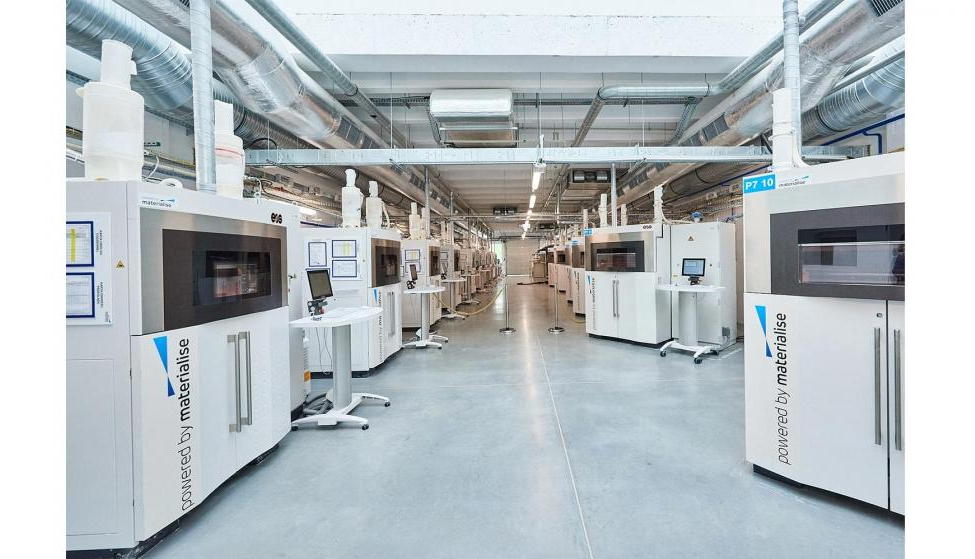
One of the most prestigious names in industrial 3D printing, Materialise provides software solutions that boost productivity through the integration of AI, smart data management, and additive manufacturing. Its intelligent manufacturing platform aids companies in automating processes, improving print preparation, keeping tabs on production, and enhancing quality at every stage. With software that is compatible with a variety of 3D printer brands and technologies, Materialise provides support to numerous industries. These include aerospace, healthcare, automotive, and consumer goods.
Reduced production errors, improed resource utilisation, and simplified complex manufacturing activities are all benefits of the company's AI-assisted solutions. With the help of smart software and additive manufacturing, companies may reduce costs, increase operational flexibility, and speed up the production of high-quality parts.
9. Stratasys
How They Work With AI 3D Printing
- AI-enabled print management
- Automated production workflows
- Predictive machine maintenance
- Manufacturing performance analytics
- FDM and PolyJet 3D printing
- High-precision prototypes
- End-use production parts
- Custom manufacturing tooling
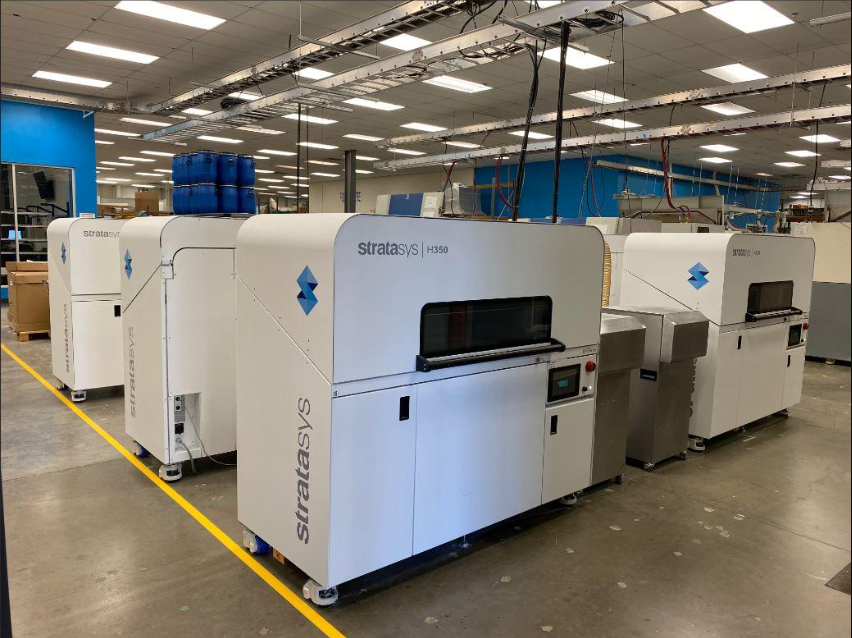
One of the most well-known industrial 3D printing businesses in the world, Stratasys, assists manufacturers in incorporating additive manufacturing into smart factory settings. For businesses in the aerospace, automotive, healthcare, and consumer goods sectors, among others, its state-of-the-art polymer 3D printers create precise prototypes, production tooling, manufacturing aids, and components for final use. With the use of AI-driven software, producers can optimise equipment utilisation and keep output quality consistent while improving workflow automation, print management, predictive maintenance, and production planning.
Digital manufacturing solutions, which Stratasys backs, allow for on-demand production and less inventory needs. The company's smart manufacturing software and dependable industrial 3D printing technologies allow businesses to cut production costs, increase flexibility in production systems, and speed up innovation.
Best 3D Modeling Software for Education
Whether you're creating prototypes for smart factories or learning 3D design, SelfCAD is the best 3D modeling software. It combines CAD modeling, sculpting, slicing, and file repair tools, eliminating the need to switch between multiple applications. Beginners can quickly create functional models, while professionals can speed up their design workflow with advanced features. Popular tools include the Sketch Tool for precise 2D drawings, the Sculpting Tool for organic modeling, the Magic Fix Tool for repairing non-manifold meshes, and the built-in Online Slicer for preparing models for 3D printing. This all-in-one approach makes SelfCAD an excellent choice for makers, educators, engineers, and product designers.